The NHS is under growing pressure, with rising demand, limited resources and widening inequalities. This one-hour webinar explores how embedding prevention into everyday life can enable earlier intervention, improve outcomes and reduce pressure on general practice.
Today’s health system is increasingly focused on responding to illness rather than preventing it. Although prevention is widely recognised as essential, delivery remains fragmented, episodic and tied to traditional healthcare settings – which many people find difficult to access.
Neighbourhood health is gaining momentum as a foundation for future service delivery. But physical hubs alone cannot deliver population-level impact. To work at scale, prevention must reach the places people already live, work and spend time – supported by digital continuity and clear clinical pathways.
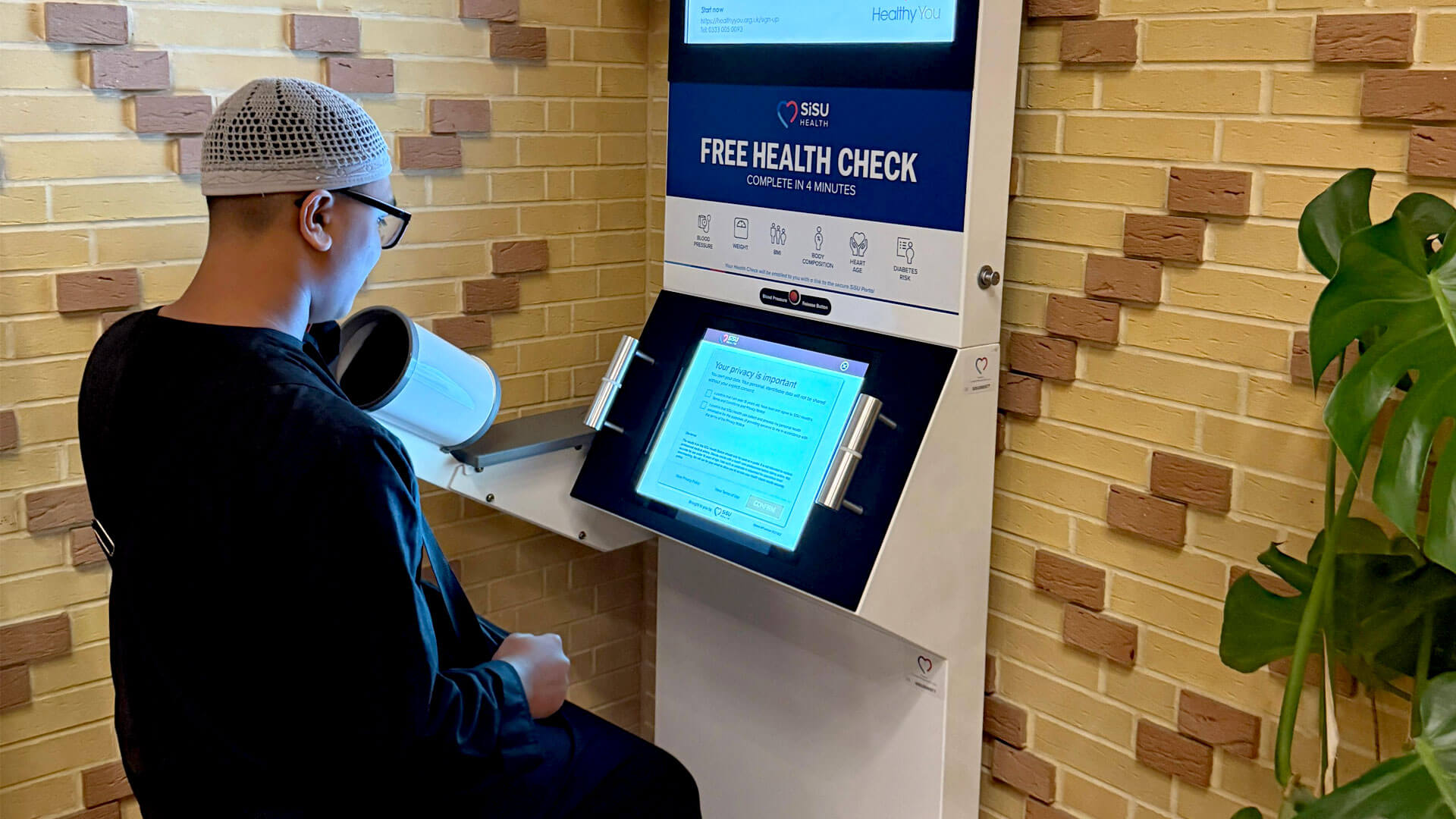
This on-demand webinar draws on evidence from over one million health checks delivered across UK communities and workplaces.
We explore what happens when prevention is frictionless, local and designed around everyday life. You’ll see how distributed models can enable earlier intervention, engage under-served populations and support outcomes without increasing GP demand.
Turning neighbourhood health into reliable, scalable infrastructure
Through practical case studies, the session examines how distributed prevention can become reliable infrastructure rather than a series of short-term programmes.
By signing up, you’ll gain:
- Understanding of why prevention must move from policy to everyday delivery
- Insight into how neighbourhood health can reach more people beyond physical hubs
- Evidence of how frictionless, distributed prevention engages under-served populations
- Confidence that early detection improves outcomes without increasing GP demand
- A simple framework for thinking about prevention as a scalable, system-wide capability
Guest speakers
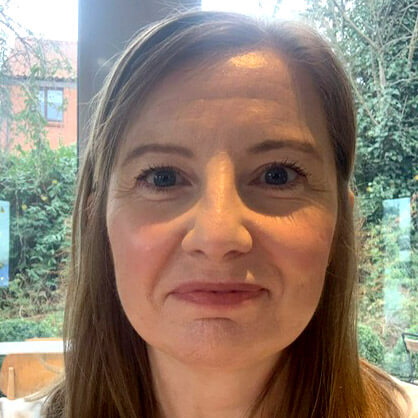
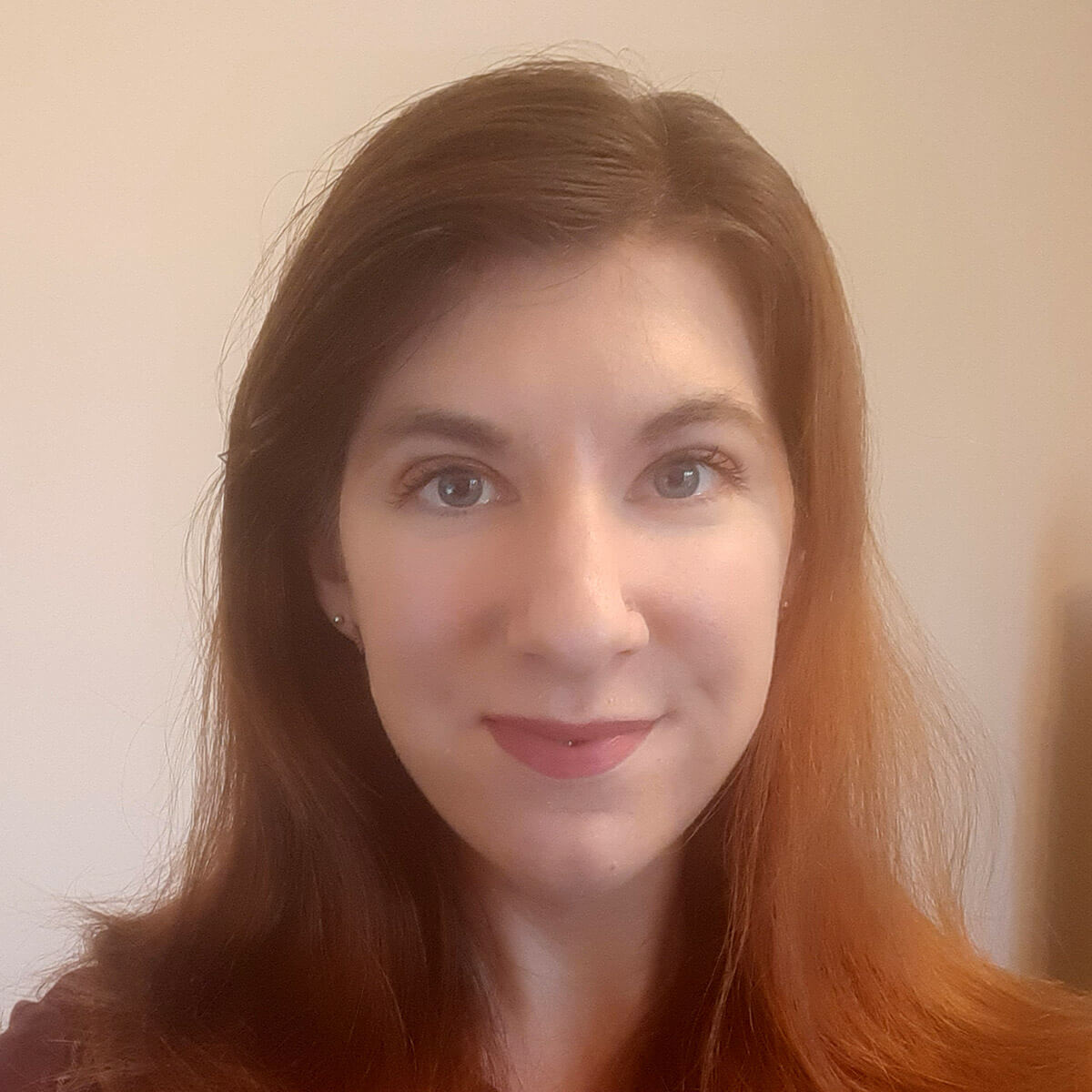
- Michelle Freer (Transformation Manager, NHS Nottingham & Nottinghamshire ICB)
- Suzanne Wilkin (Advanced Public Health Practitioner, Norfolk County Council)
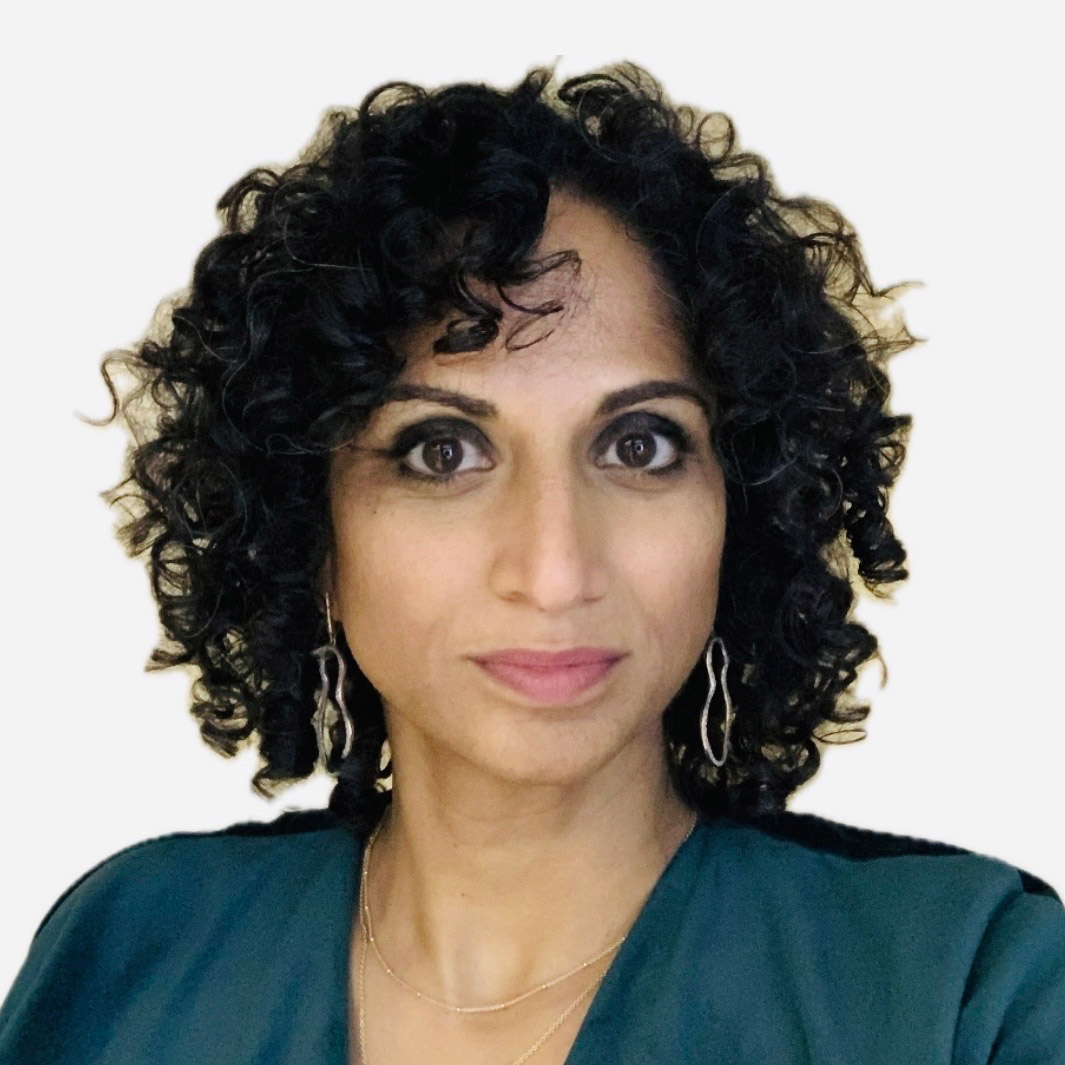
- Dr Lia Ali (Consultant Psychiatrist & Digital Health Strategist, SLaM NHS FT & NHS England)
Who should watch
Senior leaders and decision-makers across health and care, including:
- Local authority public health and neighbourhood health leads
- ICB Population Health and Prevention leaders
- Primary care and community service leaders