Nottingham and Nottinghamshire ICB needed a scalable way to identify hidden health risks, reach underserved communities and encourage earlier action. By bringing SISU Health Stations into everyday community settings, they’ve so far delivered over 5,000 health checks – uncovering health risks earlier, identifying significant unmet need and supporting positive behaviour change.
Nottingham and Nottinghamshire Integrated Care Board (ICB) faced a familiar challenge. Cardiovascular disease and related conditions were a major driver of demand across healthcare services, but barriers to access, health inequalities and inconsistent engagement meant opportunities for earlier intervention were still being missed.
Working alongside Health Innovation East Midlands and wider system partners, Nottingham and Nottinghamshire ICB explored how community-based health technology could help make prevention more accessible and reach people outside traditional healthcare settings.
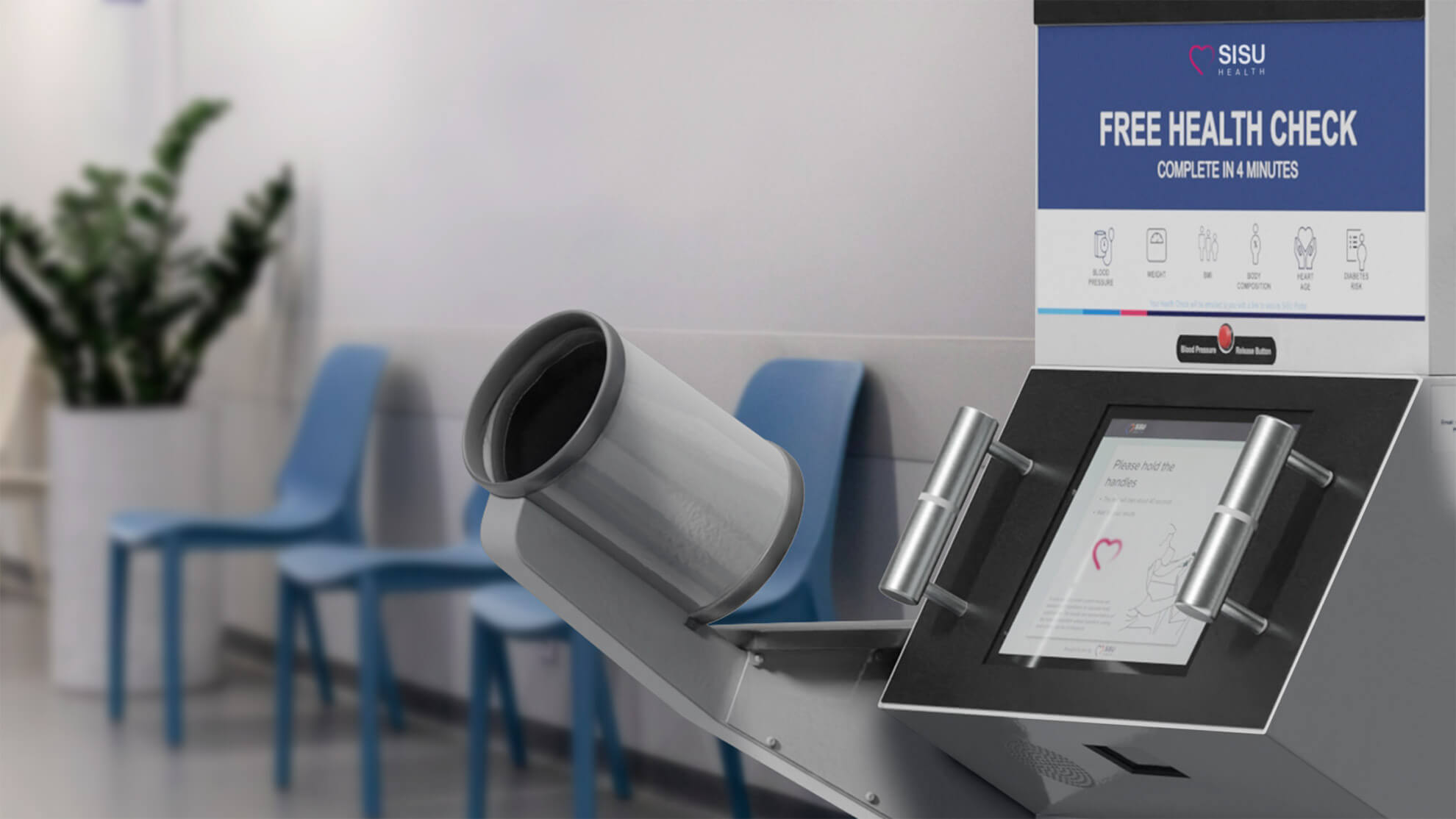
Visibility mattered.
As Michelle Freer (Transformation Manager, Nottingham City Place Team) explained:
It had to be something that you’re going to see. It had to be something that was noticeable.
SISU Health’s combination of visible community deployment, self-service access and preventative health insight created an opportunity to bring health checks directly into places people already visit.
Between October 2025 and May 2026, the programme:
- Delivered 5,124 health checks across 3,550 participants
- Reached 1,807 people who had not checked their blood pressure in the previous 12 months
- Supported a 25.9% reduction in high blood pressure prevalence among repeat users
The challenge – Existing prevention services were not reaching enough people in Nottinghamshire
Prevention had become a strategic priority across Nottinghamshire.
Cardiovascular disease was the second largest contributor to emergency hospital demand, creating a clear need for earlier intervention and improved prevention pathways.
Nottingham and Nottinghamshire ICB had already invested in initiatives designed to improve health literacy, encourage blood pressure monitoring and strengthen prevention activity across communities. However, obstacles remained.
Limited GP capacity reduced opportunities for routine preventative checks. Pharmacy opening hours created accessibility challenges for working populations. Feedback from underserved communities highlighted barriers around language, trust and access to traditional healthcare settings.
The team recognised they needed a more innovative approach to engage communities outside traditional healthcare environments.
The solution – Bringing prevention into places people in Nottingham already visit
Nottingham and Nottinghamshire ICB introduced SISU Health Stations across four locations:
- Boots Victoria Centre
- Liberty Leisure Limited
- Nottingham Forest FC
- Stapleford Care Centre
Rather than expecting people to proactively seek health checks, the programme focussed on making preventative health easier to access by placing it directly into everyday environments.
I don’t think I’ve ever come across any kind of equipment or machine or digital innovation that actually is so versatile…This is a very unique product.
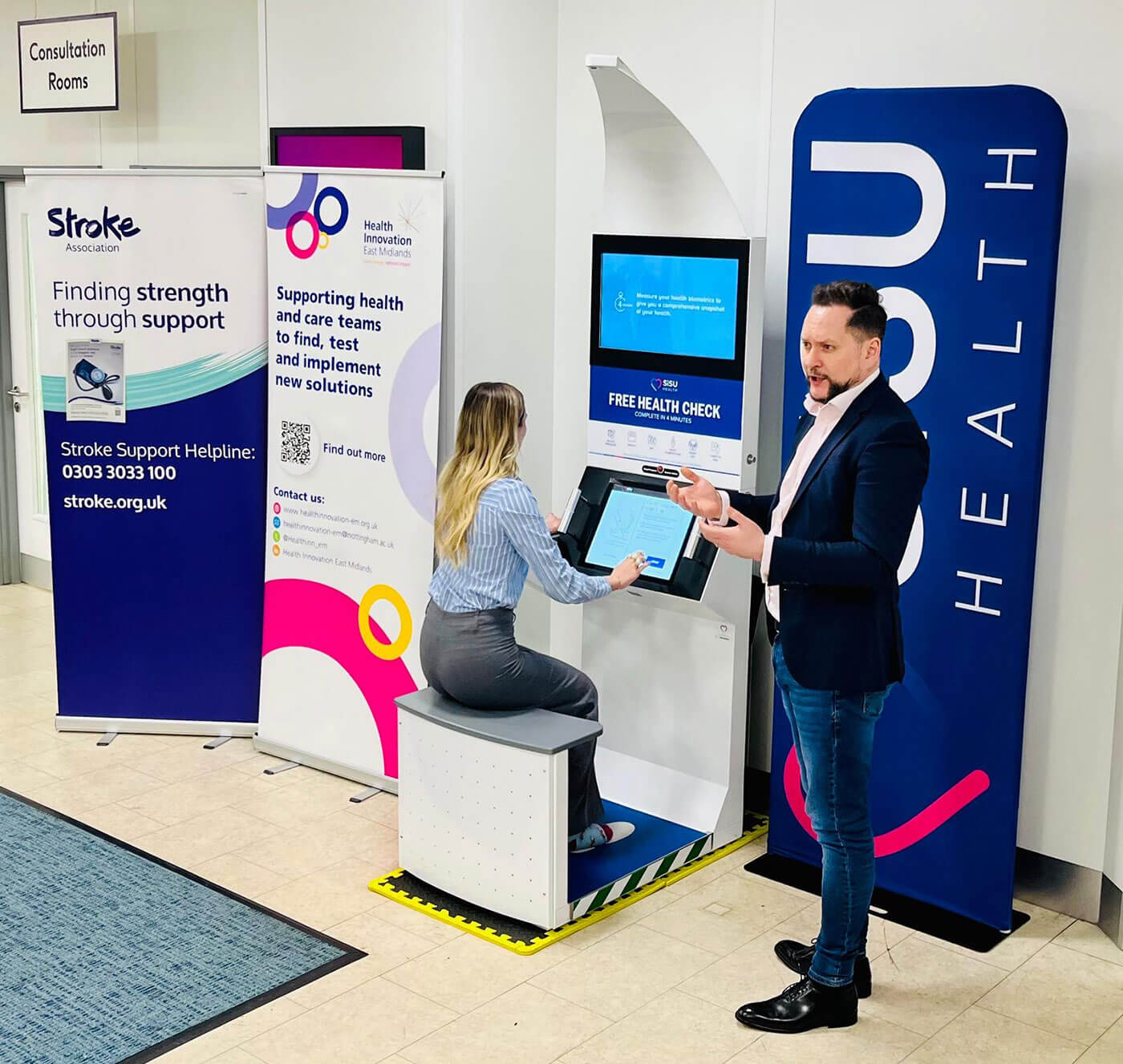
Boots Victoria Centre quickly became a key engagement location, supported by regional coverage across BBC Radio and ITV News, helping build awareness and drive high participation.
The health station replaced dated and out of order equipment and created a more visible prevention experience within a busy retail setting.
It’s benefited Boots too because it’s regenerated a space and provided footfall into their store. They have identified a higher sales of home monitoring, so we really believe that people are using the station and then buying their own monitor, which is really positive.
The Boots Victoria Centre location also created an unexpected opportunity.
Positioned next to Nottingham Trent University accommodation, the station began attracting younger users alongside target populations traditionally prioritised through health screening programmes.
Michelle explained:
A lot of students have been going to use it, which has really helped…closing the gap not only for those over 40 that we target, but actually closing the gap for those that are younger.
Earlier engagement matters increasingly as cardiovascular risk factors emerge at younger ages. The Boots location helped Nottingham and Nottinghamshire ICB strengthen prevention efforts beyond traditional age groups while encouraging healthier behaviours earlier in life.
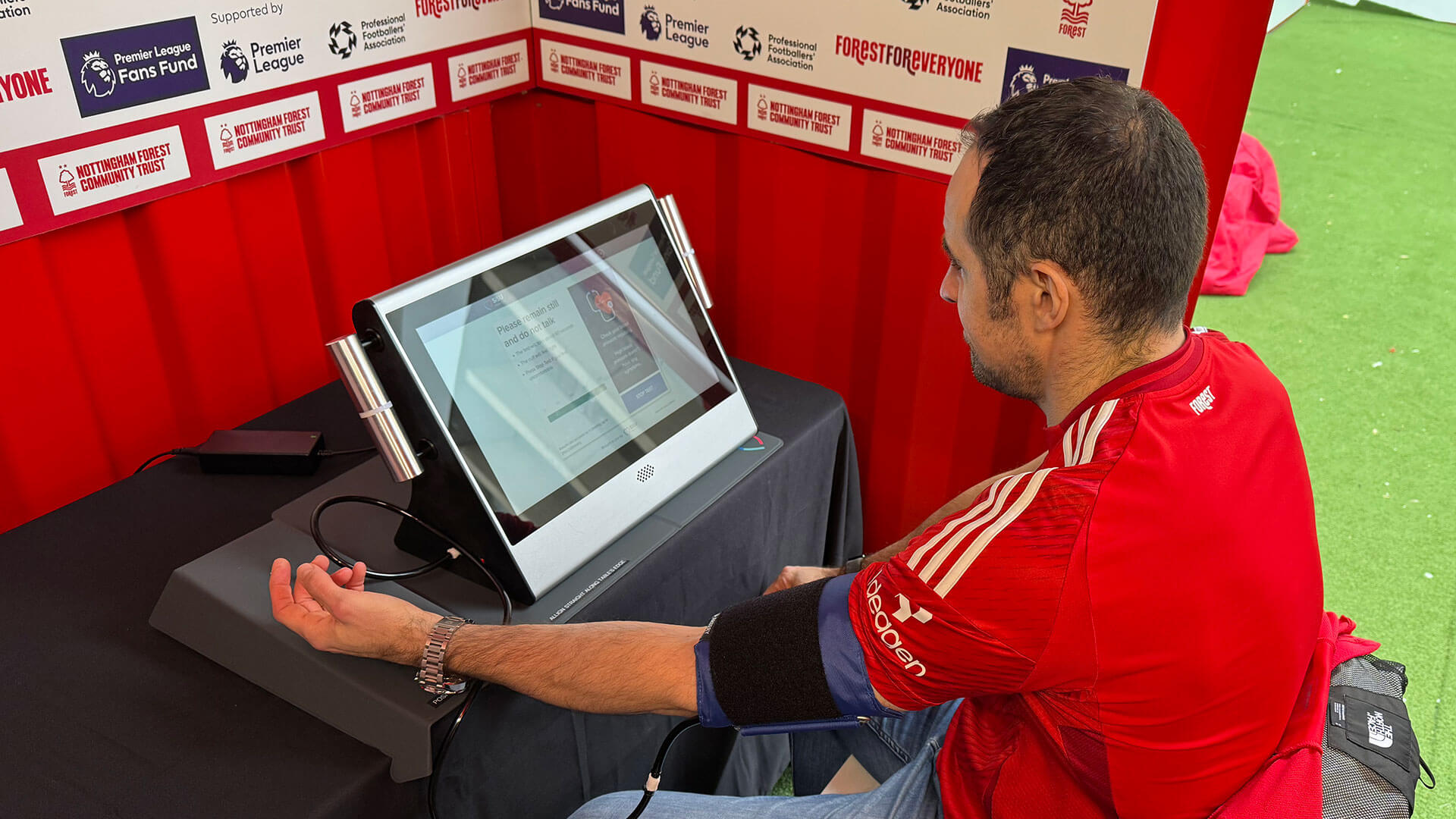
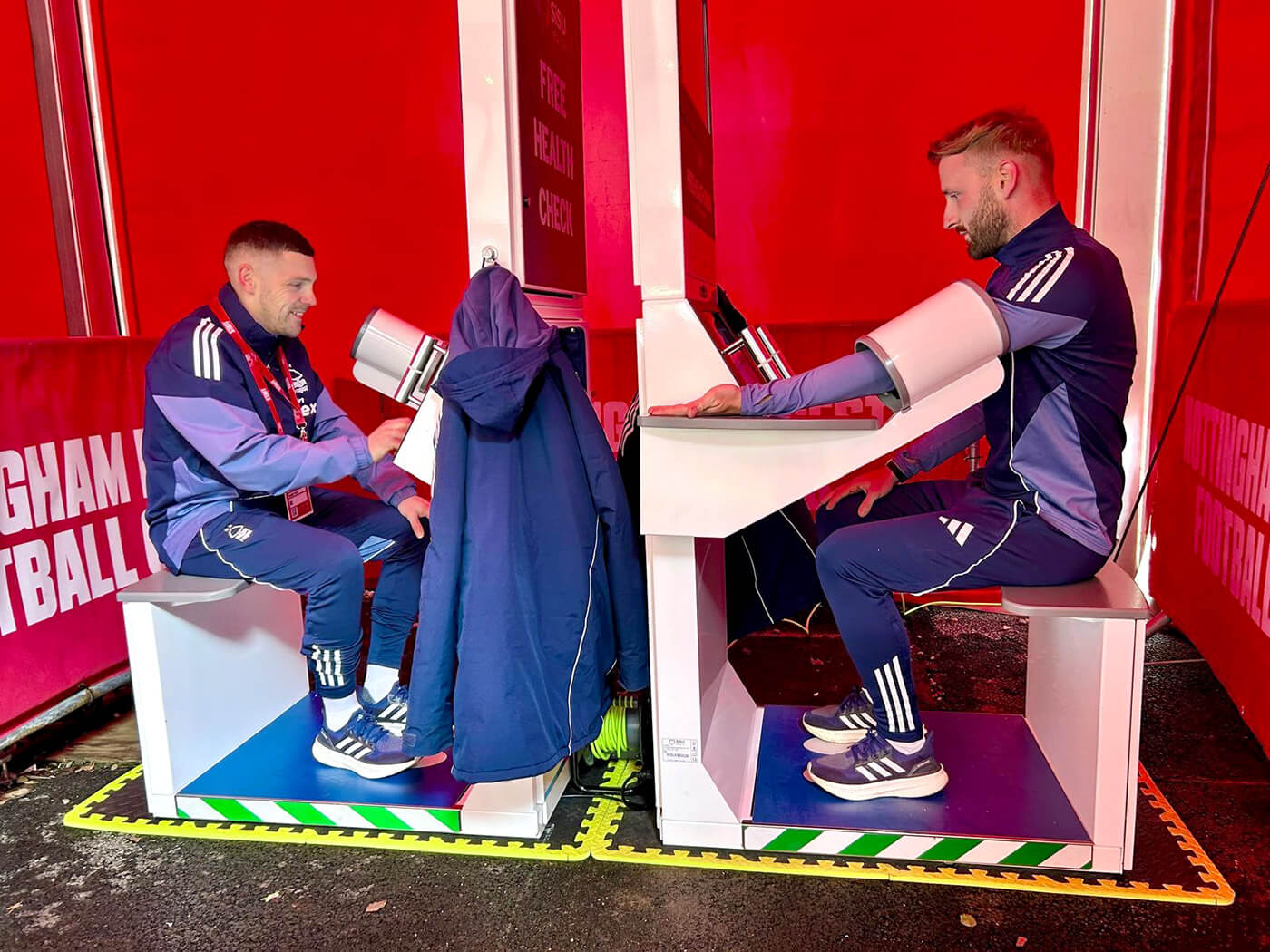
The programme also brought health checks into the Nottingham Forest FC fan zone, extending prevention into highly accessible community settings.
If they’re already there, take it to them.
Connecting community screening to real-world support
Alongside health checks, SISU Health Stations helped connect people to next steps based on their individual results.
Users could access pathways including smoking cessation support, weight management programmes through Thriving Nottingham and guidance towards community pharmacy services where further follow-up was needed.
Importantly, local teams saw people actively engaging with follow-up support.
Michelle explained:
People have gone from the station to the pharmacist and said, ‘I’ve had a health check, it showed it’s high, can you double check it?’
Community pharmacists could then complete further checks where appropriate, helping connect screening with existing healthcare pathways rather than creating additional system burden.
The impact – High engagement uncovered unmet need and supported meaningful action
Findings between 9 October 2025 and 20 May 2026 include:
- 5,124 health checks completed
- 3,550 participants engaged
- 15% recorded high blood pressure
- 64.1% recorded overweight or obesity
- 12.9% identified as smokers
- 1,118 GP call-to-actions were triggered
One finding stood out. 1,807 users reported the had not checked their blood pressure in the previous 12 months. Representing 64.2% of participants, the results highlighted a substantial prevention gap.
Michelle reflected:
It is meeting a need and filling a gap that we knew we had, but actually didn’t realise the scale of that gap until that station was actually placed.
Importantly, engagement translated into measurable outcomes. Among repeat users:
- 25.9% reduction in high blood pressure prevalence
- 15% reduction in smoking prevalence
Repeat usage became an important part of the programme
Rather than creating a one-off screening experience, SISU Health Stations enabled people to monitor progress over time and build greater ownership of their health.
They really do need to know what their factors are and what their risks are to their personal selves.
One participant regularly returned to track progress towards personal weight-loss goals, using ongoing measurement and digital tracking to stay engaged over time.
Strategic value – Turning engagement into measurable population health insight
Population reporting helped Nottingham and Nottinghamshire ICB better understand engagement patterns, unmet needs and opportunities to strengthen intervention activity.
Insight also highlighted where uptake was lower across different communities, enabling more targeted awareness activity, stronger intervention planning and tailored outreach through local media and community organisations.
The data was better than we expected it to be, to be honest.
This created stronger evidence for decision making, improved visibility into population health risk and greater confidence in where prevention efforts could be targeted.
Prevention works best when people actually engage
Traditional prevention approaches cannot deliver impact if people never access them.
By bringing preventative health into everyday environments, Nottingham and Nottinghamshire ICB created a scalable model that improved engagement, surfaced hidden health risks and supported measurable prevention outcomes.
Alongside programme outcomes, Nottingham and Nottinghamshire ICB highlighted the importance of flexibility and partnership delivery.
Every single person that works at SISU Health has been approachable, friendly, supportive, understanding and flexible. Not only is the product flexible and versatile, but actually so is the company.
Want to explore how SISU Health could support your population health strategy?
Client Profile
Nottingham and Nottinghamshire ICB
NHS Nottingham and Nottinghamshire Integrated Care Board is the NHS body responsible for planning, funding and coordinating health and care services across Nottingham and Nottinghamshire.
Transform prevention and early detection in your community
Work with us to deliver accessible, data-driven health solutions that reach underserved groups and support public health goals.