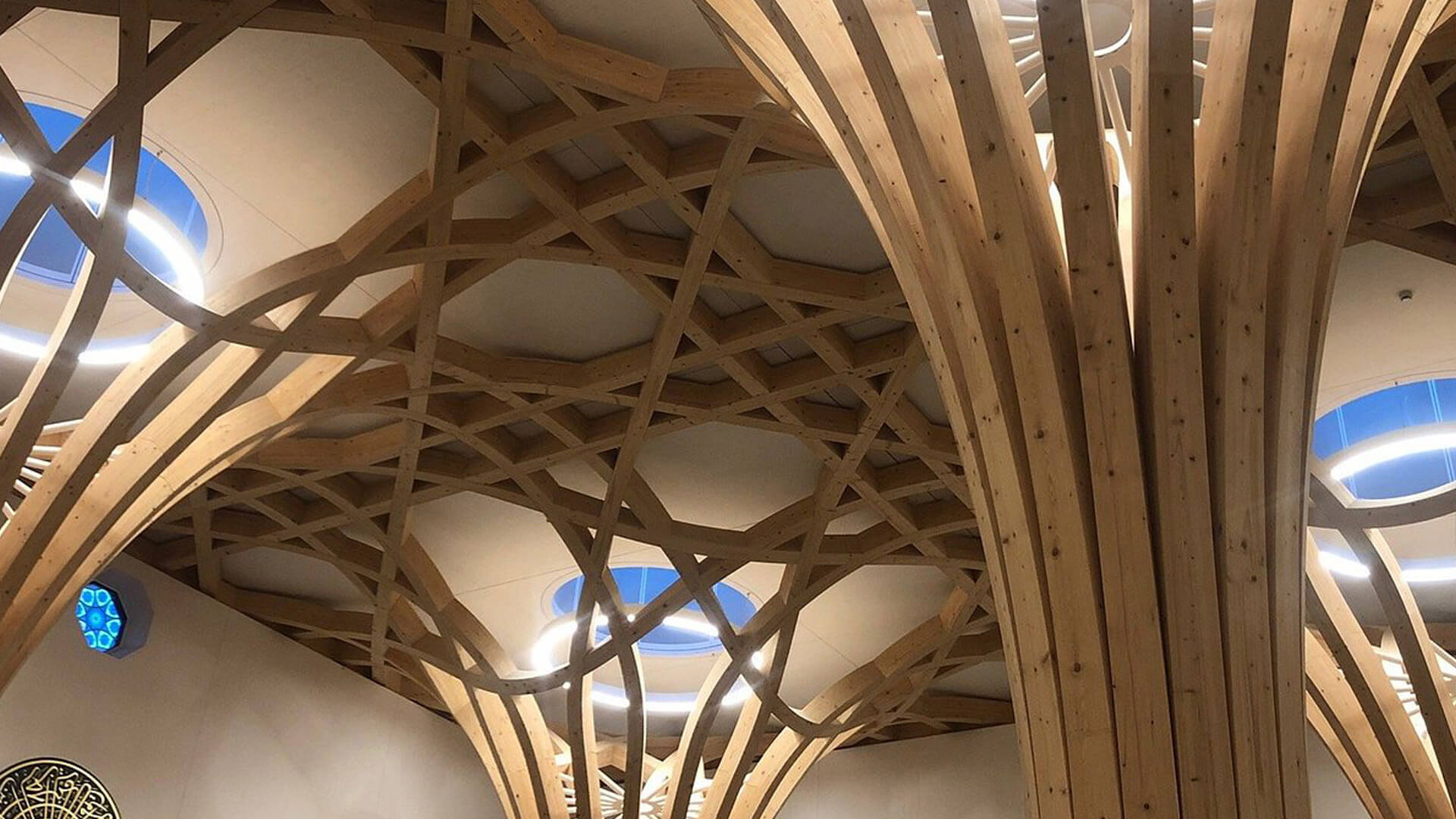
Cambridge Central Mosque partnered with SISU Health to offer free, self-service health checks in a trusted religious setting, reaching adults who rarely engage with traditional health services and supporting earlier detection of cardiovascular risk.
The challenge – Reaching those least likely to access care
Cambridge Central Mosque serves a diverse community, with many visitors balancing long working hours, family responsibilities and cultural or language barriers that limit access to traditional health checks. For many, prevention isn’t a priority until symptoms appear – particularly for conditions like high blood pressure, which often go unnoticed.
The mosque sought a solution that felt familiar, protected individuals’ dignity and aligned with its ethos of wellbeing, sustainability and holistic community care.
We have been delighted to be the first Mosque to host the SISU Health Station for the community to use and undertake a detailed health check… the Health Station has provided a great outreach opportunity to connect health and wellbeing with the ethos of the Mosque.
Osman Bhatti, Health Hub Lead Volunteer
The solution – Health checks where people already feel at home
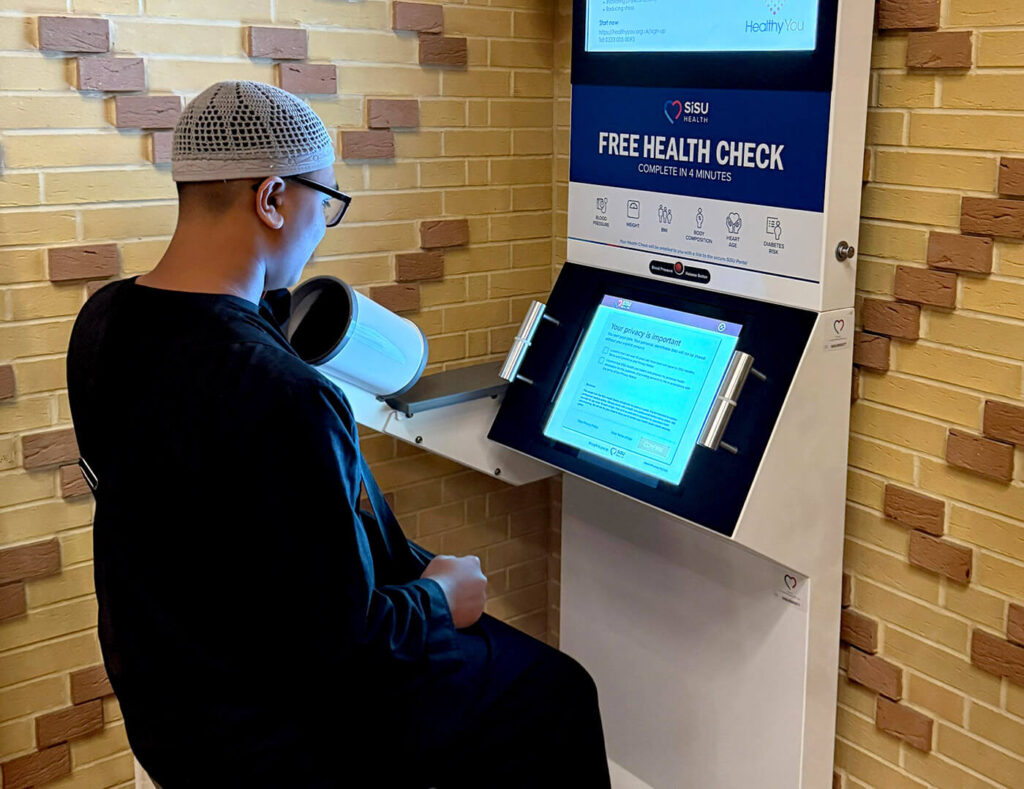
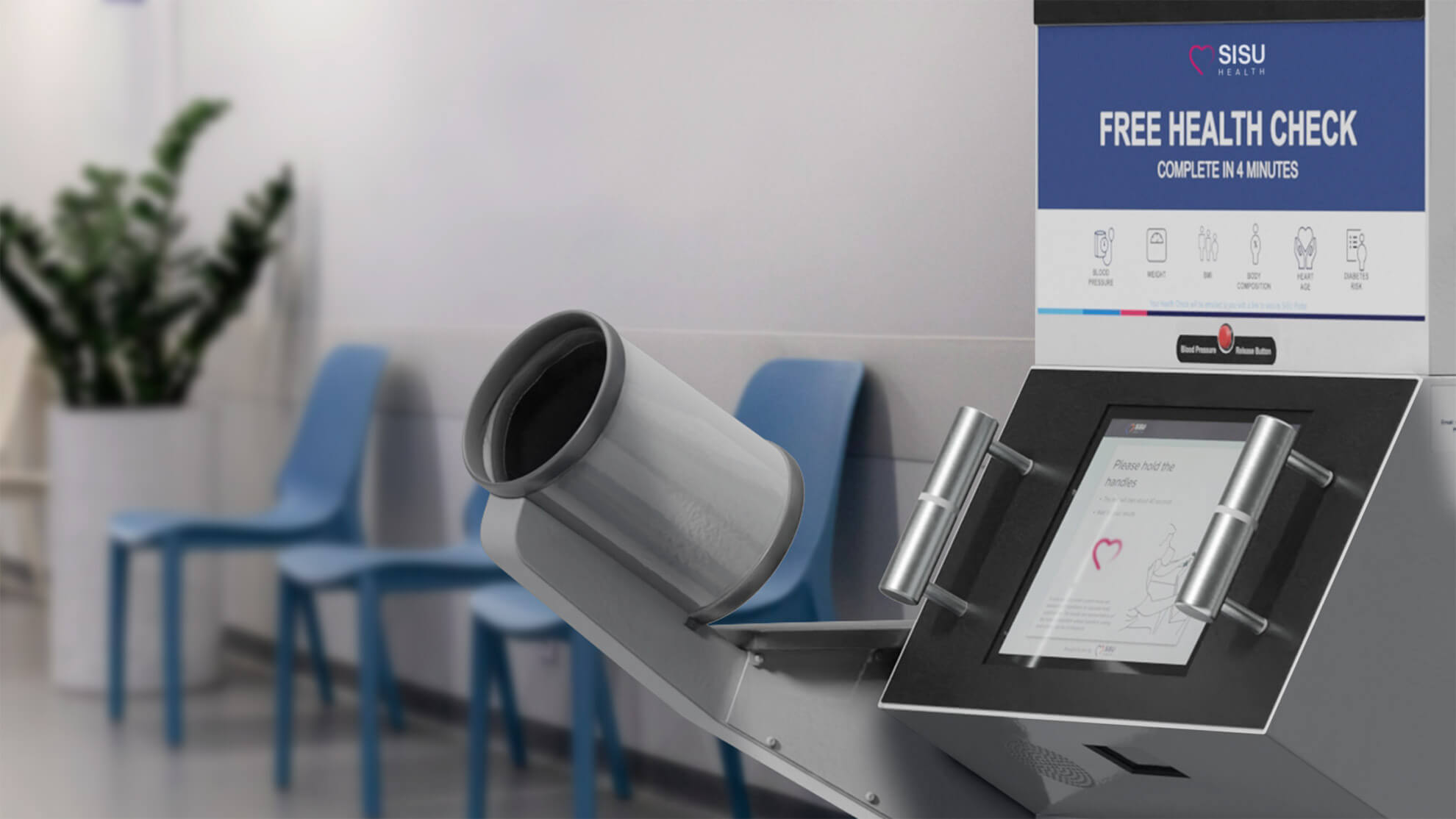
Working with SISU Health, the mosque made a digital, self-service health check available inside the building, giving visitors the option to assess their blood pressure, BMI, smoking status and heart risk during everyday visits – with no appointments, waiting rooms or clinical environments.
Visitors could check their health discreetly, receive personalised results straight away, and, where appropriate, access lifestyle or wellbeing support through local services.
The results – Meaningful engagement and earlier prevention
In just six weeks, Cambridge Central Mosque demonstrated the power of delivering health checks in trusted community spaces, driving strong uptake among groups traditionally less engaged in screening.
Reach and participation
- 925 health checks completed
- 836 unique participants
- Nearly 10% returned for a repeat check
- Average of 21.5 checks per day
This strong response shows how meeting people where they already feel comfortable can remove barriers and normalise prevention. Engagement from younger adults – a group not yet eligible for the NHS Health Check – was particularly high, signalling clear demand for easy, community-based tools.
Population insight and need
Anonymised data revealed significant unmet need and opportunities for early intervention:
- 74.7% had not checked their blood pressure in the past year, highlighting the station’s reach among people who might not otherwise access preventive services.
- Most users were aged 25-44 and 80% were male – groups typically less likely to engage in health screening.
- Over 70% identified as Asian, reflecting the local community and showing the effectiveness of culturally sensitive, community-based engagement.
These findings show how culturally trusted venues can reach residents who might otherwise miss routine checks, while providing valuable insight to public health teams. The approach not only increases awareness but connects people to care pathways earlier, supporting long-term health improvement across the community.
Strategic value – From individual checks to community insight
The collaboration between SISU Health, Cambridge Central Mosque, Cambridgeshire County Council and Healthy You demonstrates how trusted community spaces can play a pivotal role in advancing prevention. By embedding data-led health engagement in a faith setting, the project made wellbeing both accessible and relatable, empowering residents to take proactive steps to understand and improve their health.
Anonymised population insights enabled public health teams to better understand who was engaging, highlight emerging risks, and target support more effectively.
We have valued this opportunity, and it has been a springboard for us to engage more with health initiatives and to provide more services in the future.
A model for prevention in trusted spaces
The Cambridge Central Mosque initiative shows that when preventive care is offered in familiar, trusted environments, communities respond. By driving earlier awareness and action, this partnership is helping to build a healthier, more informed and more resilient population – and demonstrating a blueprint for taking prevention to where it matters most: the heart of the community.
SISU Health’s role – Scalable prevention in the heart of the community
SISU Health supports community organisations and public health teams by:
- Making clinically trusted, self-service checks accessible in everyday venues
- Providing instant results with clear guidance in plain language
- Linking users to lifestyle or clinical support within local systems
- Generating anonymised population insight to guide public health planning
- Encouraging behaviour change through repeat checks over time
Cambridge Central Mosque demonstrates how prevention becomes more equitable when it meets people in places they already trust, turning community spaces into gateways for early detection and healthier habits.
See how prevention can reach communities effectively
If you’re looking to embed preventative health services in your community, SISU Health Stations can help. They provide instant health insights, reach people who might not otherwise engage and support data-driven planning.

Client Profile
Cambridge Central Mosque
Cambridge Central Mosque is a community-focused place of worship and learning, providing spiritual, educational and wellbeing services to a diverse population across the city.
Transform prevention and early detection in your community
Work with us to deliver accessible, data-driven health solutions that reach underserved groups and support public health goals.