In Suffolk and North East Essex (SNEE), thousands live with undiagnosed hypertension. To close the gap, NHS SNEE ICB partnered with SISU Health to bring self-service health stations into libraries, community hubs and mobile buses – making health checks quick, accessible and empowering, and delivering measurable change at scale.
The challenge – Tackling hidden health inequalities
When the programme started, hypertension was affecting 1 in 5 adults in the region – but only 66.5% were diagnosed. To reach the national target of 80% by 2029, more than 33,000 additional diagnoses were needed. But traditional care pathways weren’t reaching everyone, particularly in deprived or rural areas.
Barriers included:
- Rural isolation and limited transport options
- Digital exclusion and language barriers
- Irregular or long working hours
- Low engagement with GP services
These challenges were most pronounced in communities facing social and economic disadvantage. Nearly half of the Station’s users (44%) came from the most deprived 50% of areas (IMD deciles 1-5), highlighting the need for more accessible, community-based prevention.
Health data also revealed:
- 68.3% of users were overweight or obese
- 16.9% reported smoking
- Most users were aged 25-54, often working age but under-engaged in prevention
We know a lot of it isn’t people refusing care – it’s people we need to reach in different ways. It’s our responsibility to do that and meet them where they are.
Peter Broughton, Programme Manager, SNEE ICB
The solution – Scalable, community-based health checks
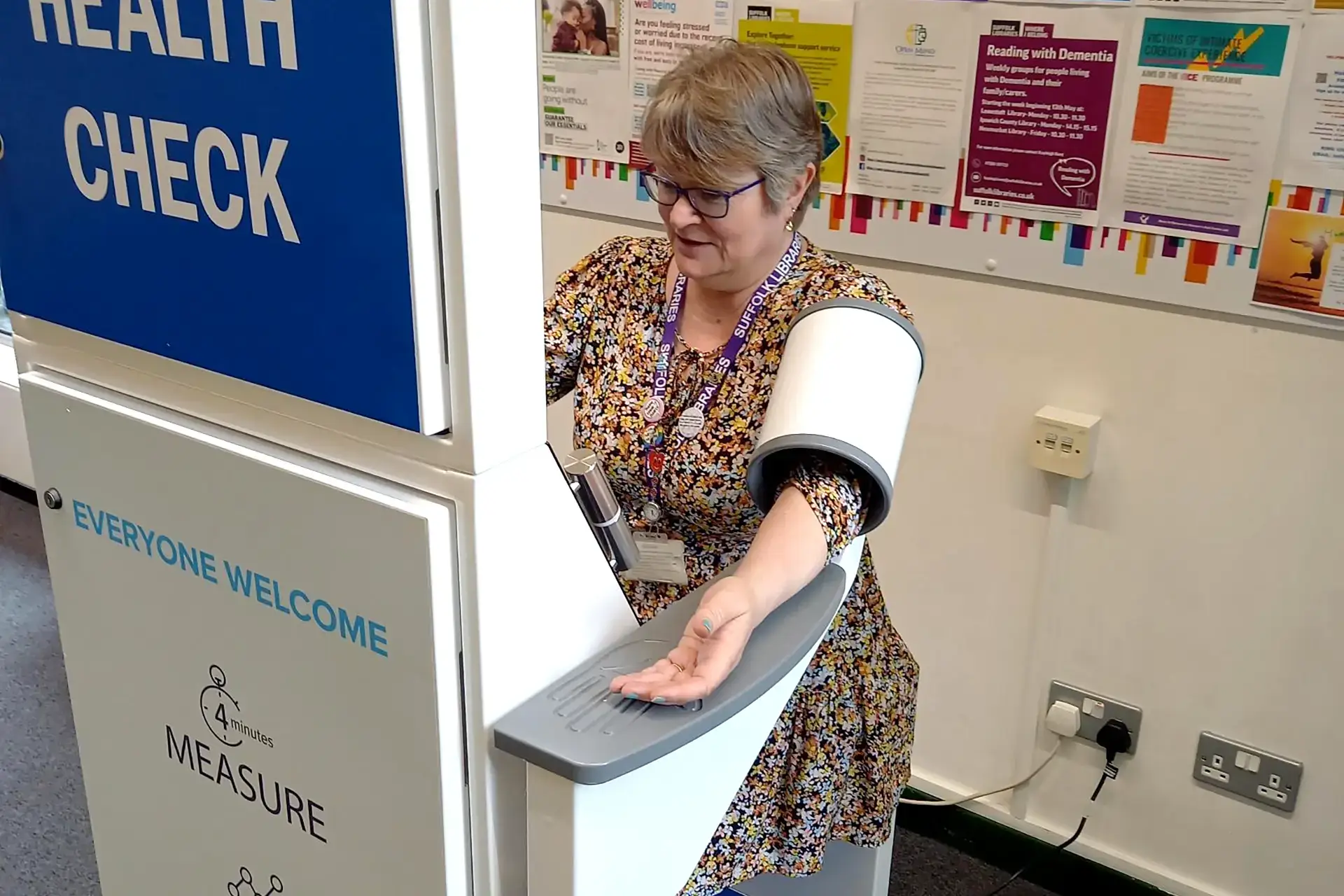
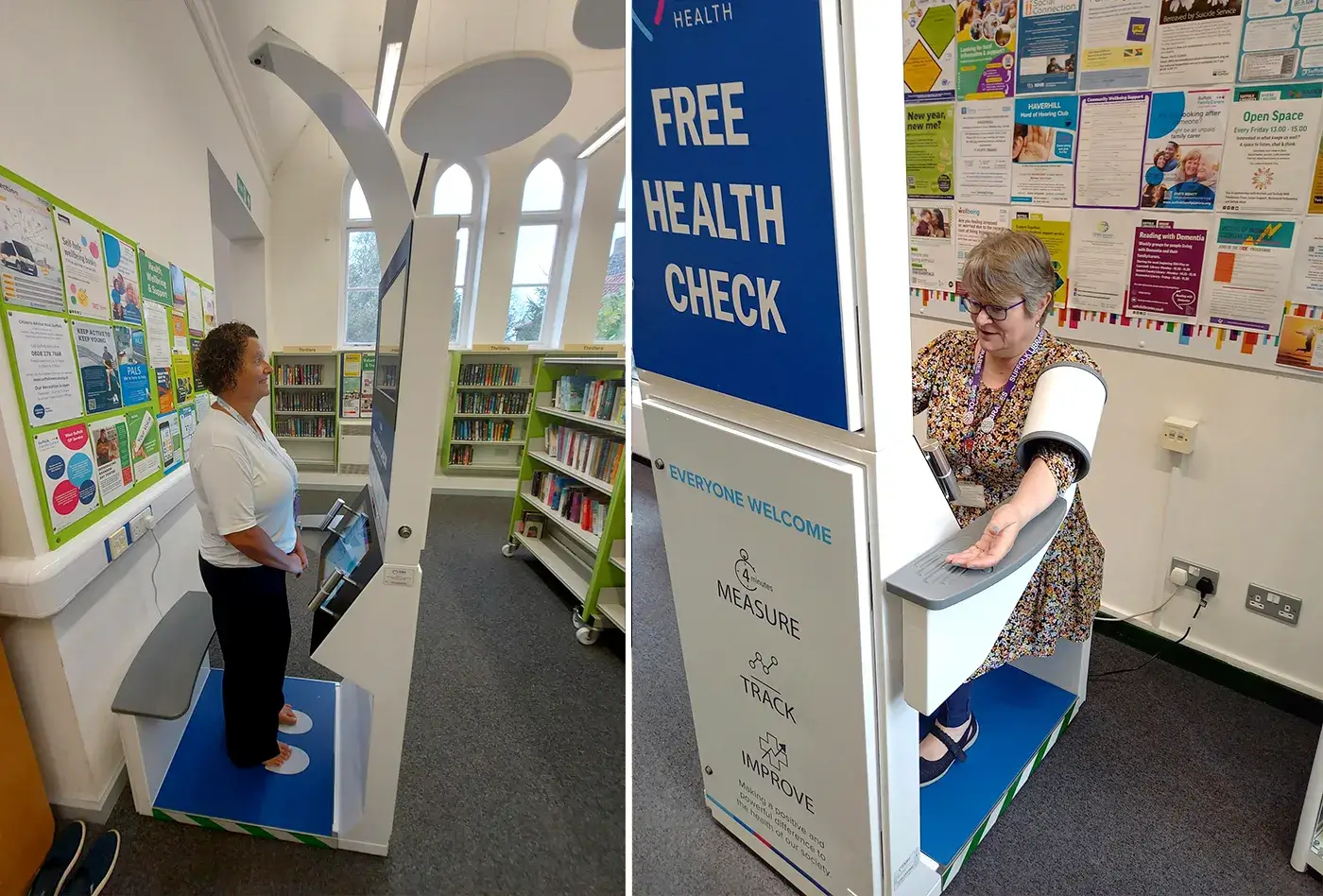
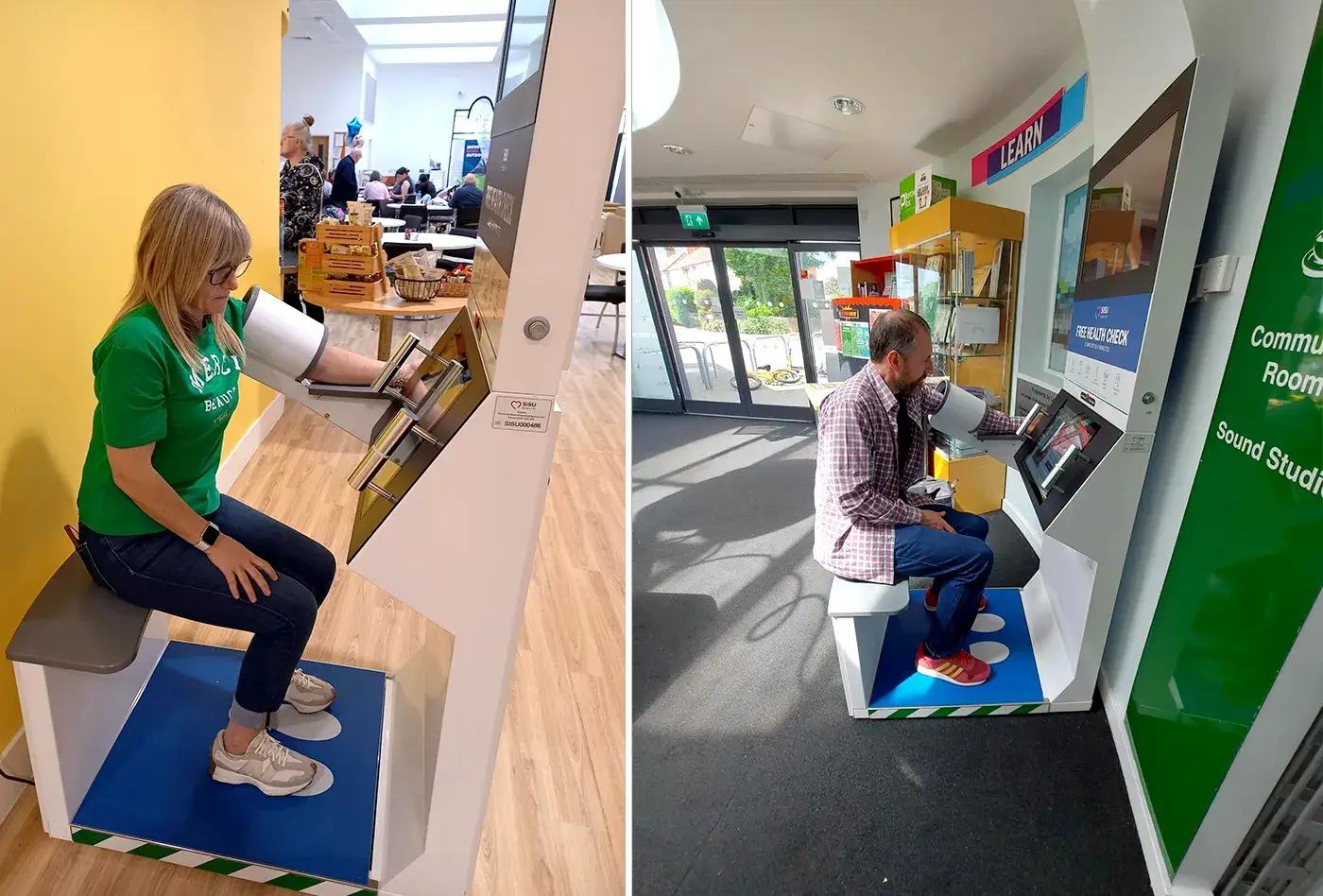
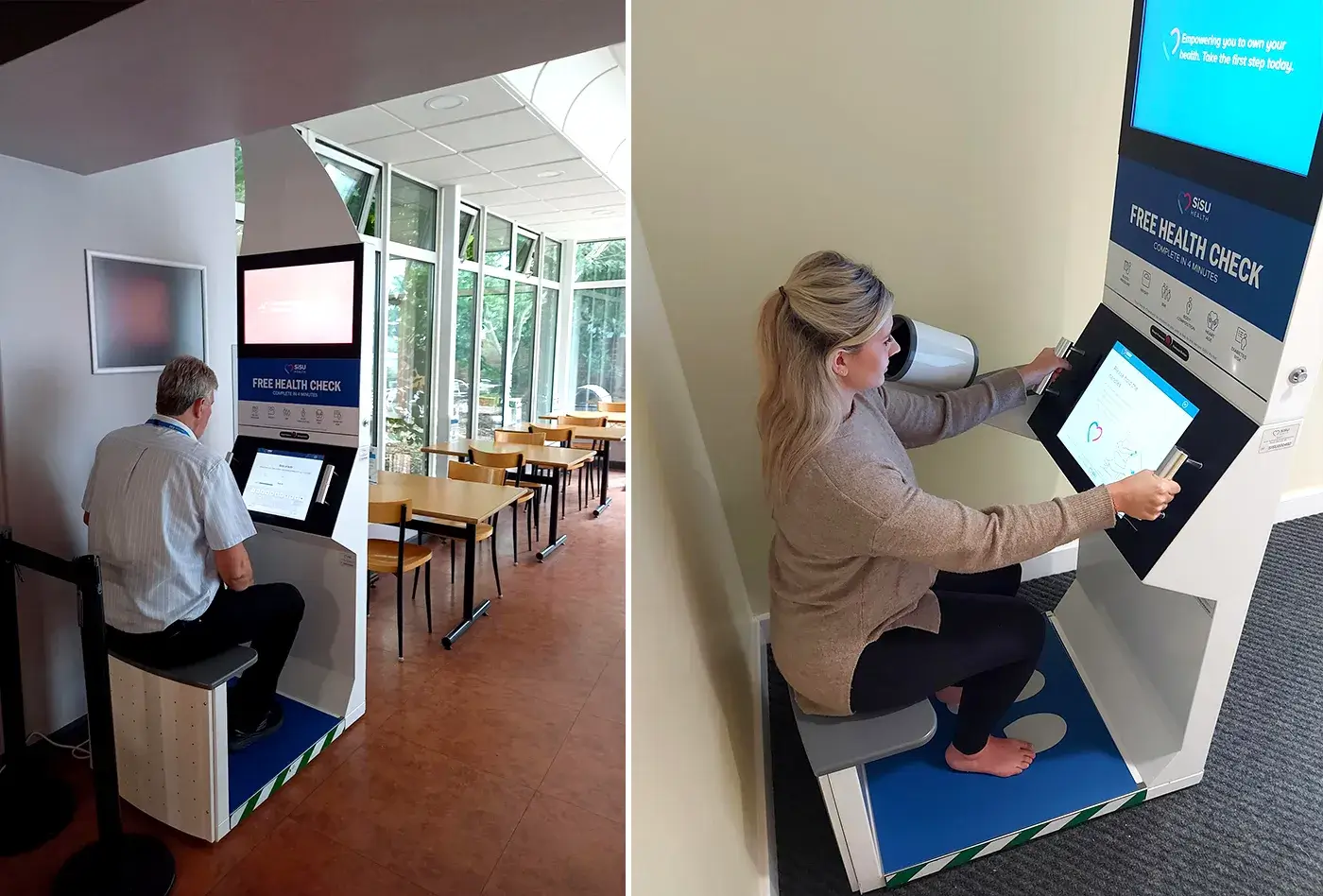
SISU Health’s digital stations offered a 4-minute, self-service health check – no appointment, no pressure. This enabled users to measure their blood pressure, BMI, heart rate, and more, with at risk users signposted to local support like smoking cessation and weight management.
Using population health data, SNEE ICB deployed 17 stations in high-footfall locations, from libraries and community centres to mobile units on the Be Well Bus – reaching remote communities and local events.
Key features:
- Self-service and private: No clinical staff required
- Inclusive design: Simple language for accessibility
- Flexible deployment: Stations moved based on engagement
The rollout was collaborative and agile, with fortnightly project meetings and input from local partners. Sites were chosen for strategic impact, and feedback loops allowed quick adjustments – relocating underperforming stations and creating user resources like post-check guidance. This dynamic approach ensured the programme stayed responsive to community needs.
Innovative, adaptable and exciting – this has been one of my favourite projects to lead on. Some projects get stuck in the mud, but this one kept moving and making a difference.
Results – Impact at scale and measurable change
In just over a year, the programme delivered impact at scale:
- 14,000+ health checks completed
- 3,926 GP call-to-actions for high blood pressure and/or BMI
- 21.1% had high blood pressure
- 59.9% had not had a blood pressure check in the last 12 months
- 44% of users came from the most deprived areas (IMD 1-5)
- 29.6% reduction in high blood pressure among repeat users
These results represent more than just statistics – they reflect real lives changed. One user discovered dangerously high blood pressure during a routine check, prompting urgent GP intervention and lifestyle changes. Others were guided to local gyms, wellbeing centres and community support services, showing how even a brief, self-led check can open the door to longer-term wellbeing.
The programme also surfaced unexpected trends: high engagement from men, elevated health risks among younger working-age adults, and strong participation from residents in deprived areas and ethnic minority communities. With 44% of users coming from the most deprived half of the population, it’s clear the initiative broke through traditional barriers to reach those who need it most.
Just as importantly, it helped shift perceptions. Health checks became less about obligation – and more about empowerment. Accessible, non-judgemental and easy to use, the stations helped people see prevention as something they could take into their own hands.
People didn’t want the stations to go. That shows how much they valued them.
Strategic value – Driving prevention and reducing economic burden
The programme delivered more than health checks – it advanced SNEE ICB’s prevention goals and reduced health inequalities. By reaching people who rarely engage with traditional care – nearly 60% hadn’t had a BP check in the past year – it supported the ambition to diagnose 80% of hypertension cases by 2029.
The economic case is clear. Obesity and smoking alone cost the region an estimated £28 million annually in lost productivity, with high blood pressure adding another £1.5 million. Early detection and signposting through the SISU Health platform helped to mitigate these costs and reduce future clinical burden.
By helping to identify and address these risks early, SISU Health Stations support a strong return on investment – both financially and in improved population health.
The partnership approach – working with libraries, voluntary groups, and SISU Health – has been key to success.
Key takeaways
- Scalable reach: 14,000+ checks completed across 20+ community sites
- Actionable insights: 60% of users hadn’t had a blood pressure check in the past 12 months
- Health equity impact: 44% of users came from the most deprived 50% of neighbourhoods
- Strategic value: Supports NHS prevention priorities and reduces long-term system costs
Making preventative health services easier to access
By bringing health checks into libraries, community hubs and mobile services, SNEE ICB removed common barriers to engagement and reached people who traditional healthcare pathways often struggle to connect with. The result was a scalable, data-led prevention programme that delivered measurable impact across the community.
Looking to reach underserved populations and improve preventative health outcomes? Find out how SISU Health can help you deliver accessible health checks at scale.

Client Profile
Suffolk and North East Essex ICB
NHS Suffolk and North East Essex Integrated Care Board is the NHS body responsible for planning and coordinating health and care services across Suffolk and North East Essex.
Transform prevention and early detection in your community
Work with us to deliver accessible, data-driven health solutions that reach underserved groups and support public health goals.