Local authorities commission a wide range of prevention and health improvement services, but the residents most likely to benefit don’t always engage with traditional healthcare routes. This webinar explores how Southwark Council has used trusted community settings to make prevention more accessible and increase participation among communities traditional services can struggle to reach.
Language barriers, digital exclusion, low trust, insecure work and competing priorities can all make it harder for people to access health support. As a result, health risks remain unidentified, opportunities for earlier intervention are missed and health inequalities begin to widen.
For councils, the challenge is not simply providing services, but ensuring they are visible, accessible and relevant to the communities they are designed to support.
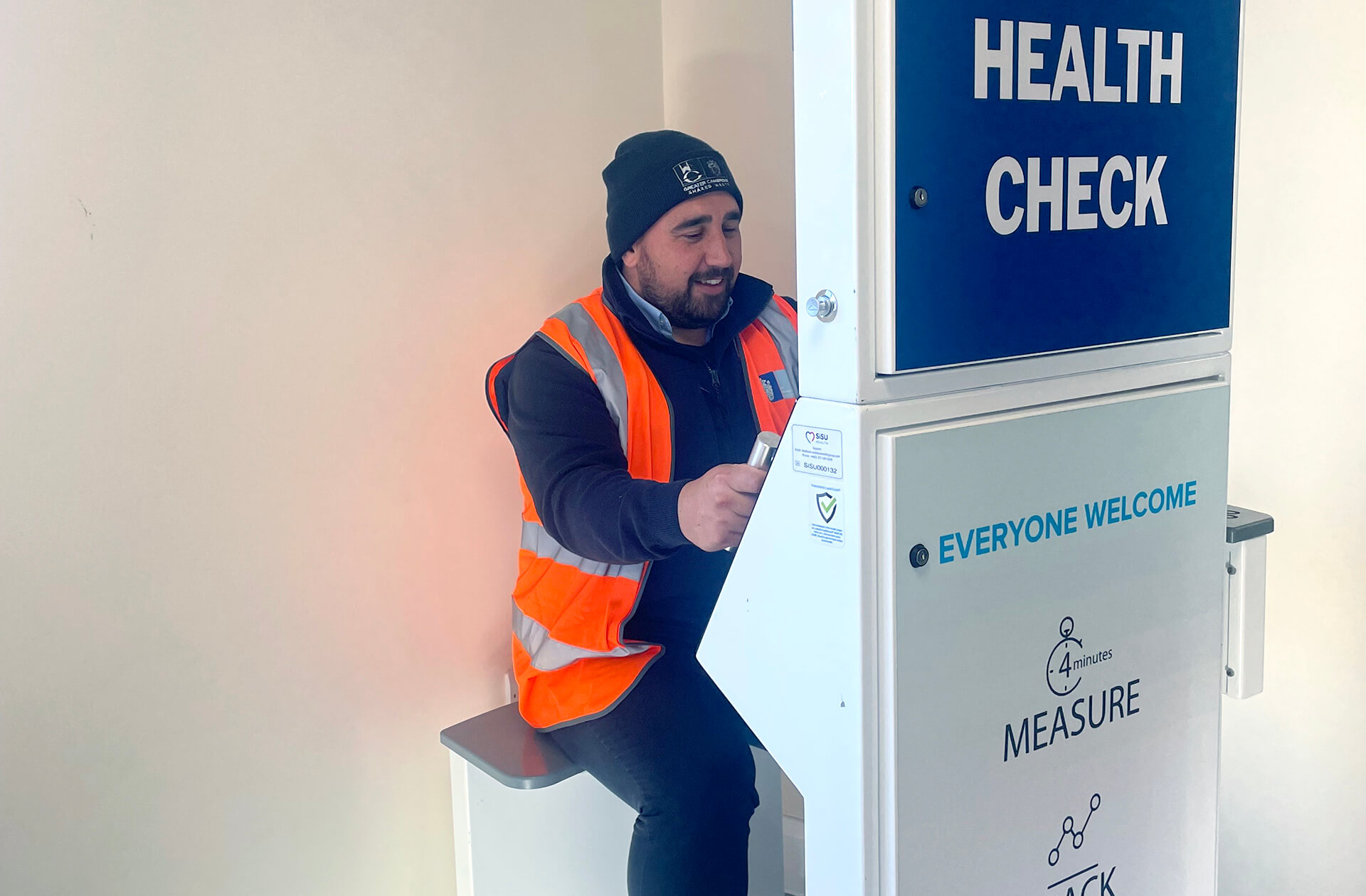
Since July 2021, Southwark Council has delivered more than 74,000 preventative health checks across 18 community locations, reaching over 37,000 residents through its Health Station programme. This has generated valuable insight into hidden health risks across local communities.
Using programme data, resident feedback and practical delivery experience, we’ll explore what other local authorities can learn about delivering equitable prevention through trusted community settings.
What Southwark Council has learned from over five years of community-based prevention
Join this webinar to learn how Southwark Council designed, implemented and scaled a community-based prevention programme that brings health checks closer to residents through familiar, everyday settings.
You’ll learn how to:
- Use community settings to make preventative health checks more visible, accessible and engaging
- Identify suitable locations, partners and outreach approaches to support participation
- Use population health insight to understand reach and where to focus prevention efforts
- Connect residents with appropriate local services and support following their health check
- Create pathways into care – over 11,000 Southwark users advised to contact their GP
You’ll also hear directly from Southwark Council about the challenges, lessons learned and practical considerations involved in delivering community-based prevention over the long term.
Who should attend?
This webinar is for Public Health, Health Improvement, Prevention, Population Health and Commissioning leaders within local authorities.
It will be particularly relevant to councils looking to improve engagement with underserved communities, reduce health inequalities and strengthen community-based approaches to prevention.