With a largely hybrid workforce spread across offices and smaller working hubs, Bank of Ireland wanted a clearer understanding of colleagues’ health to guide its wellbeing priorities. By bringing SISU Health Stations to 11 locations, the bank has so far engaged 1,600 employees, uncovered needs it hadn’t anticipated and is using the findings to shape targeted support.
Bank of Ireland’s wellbeing team faced a question: How had a shift toward hybrid working patterns, and associated lifestyle changes post-Covid, affected colleagues’ health? As employees spent more time back in the office, conversations raised concerns about reduced physical activity and the impact of working in isolation.
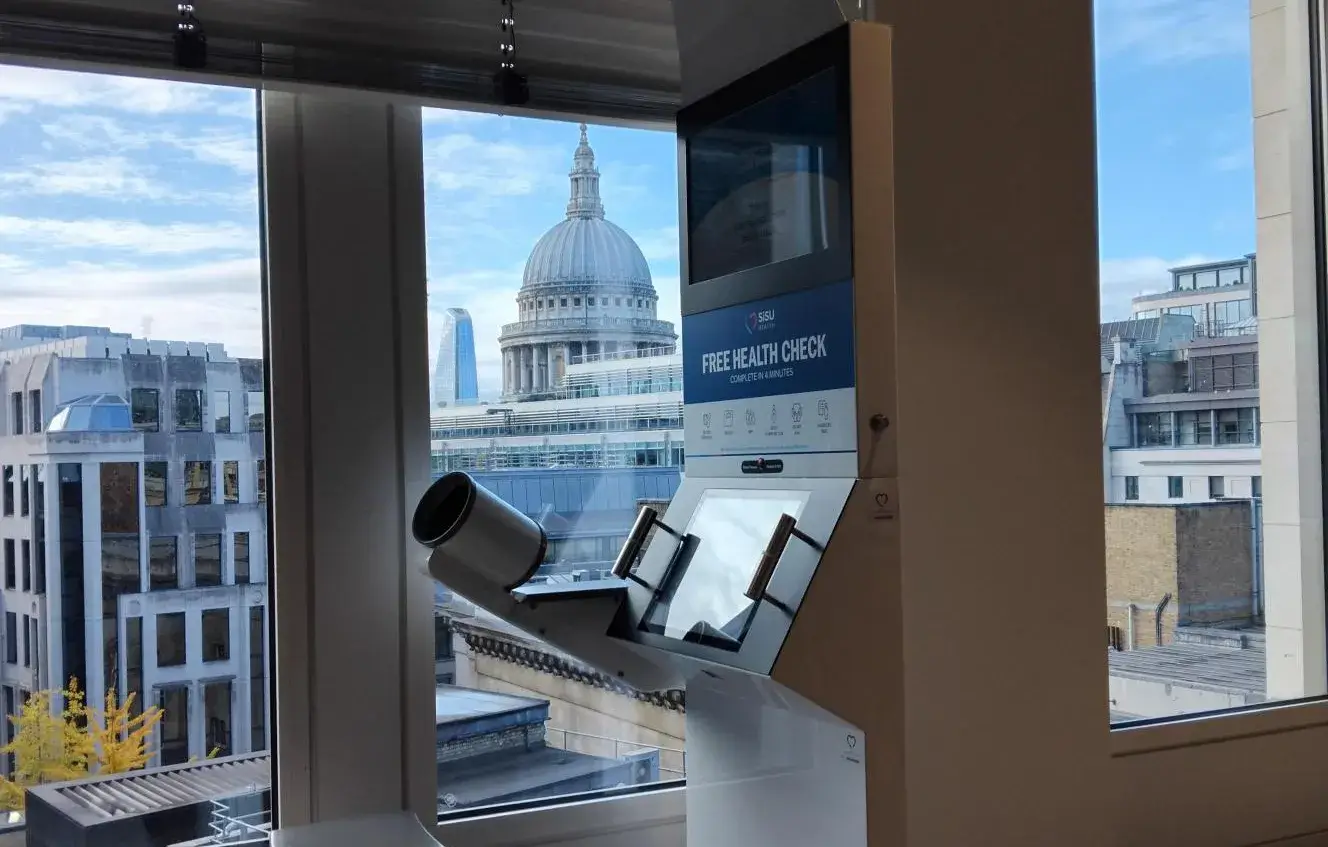
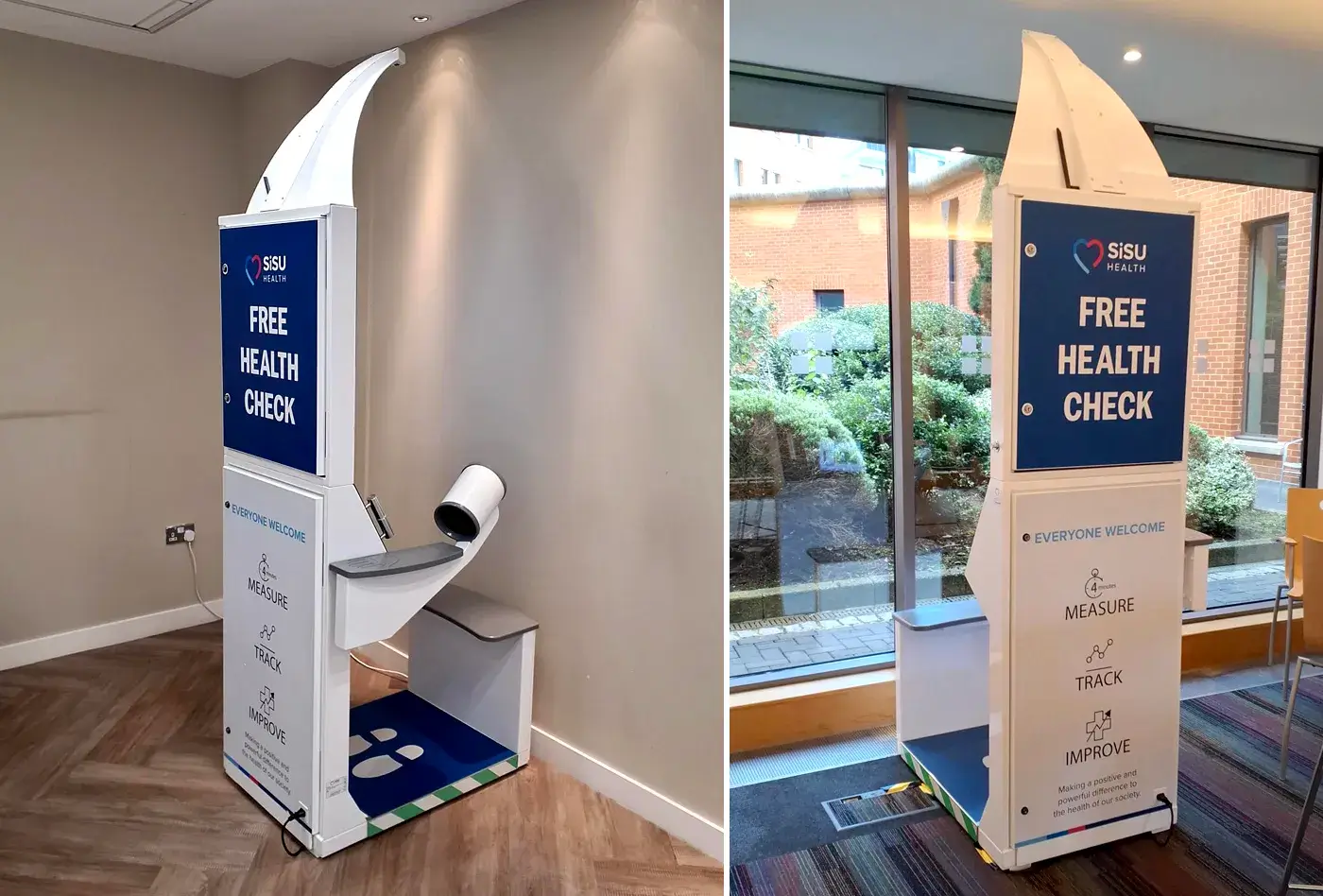
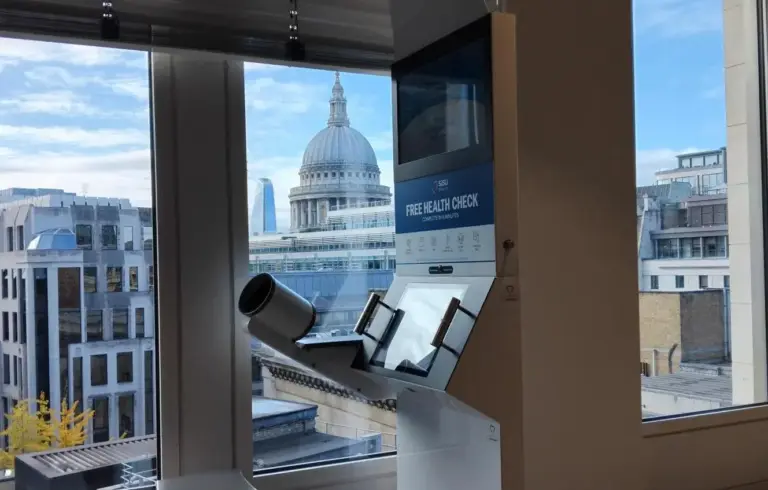
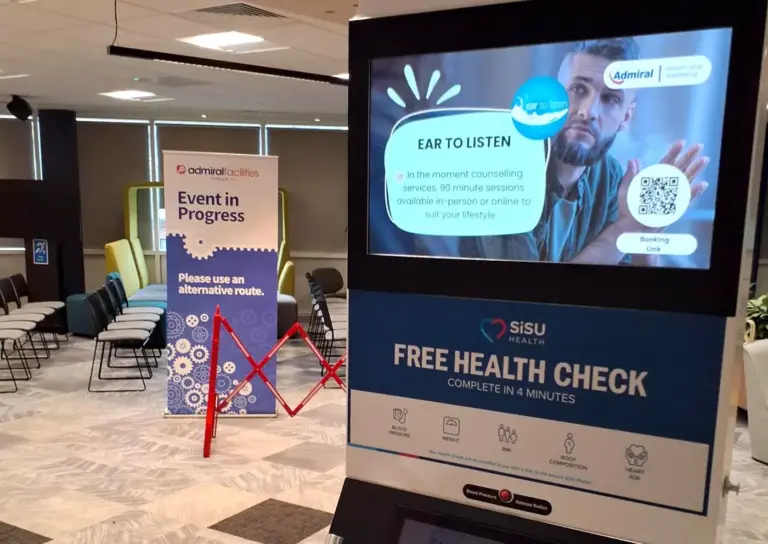
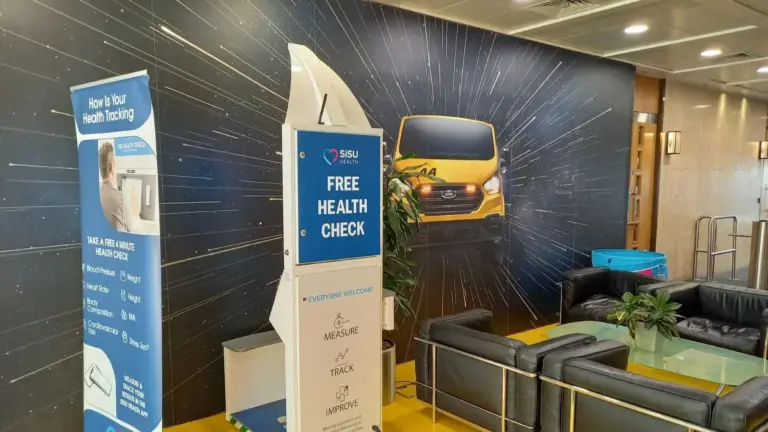
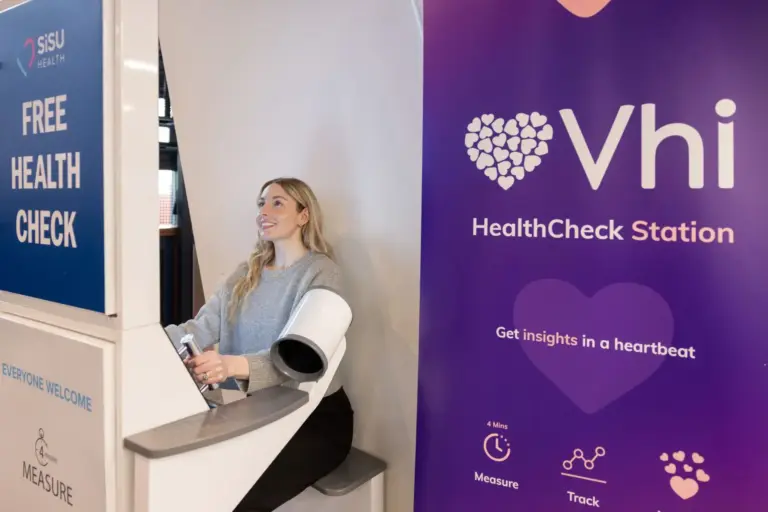
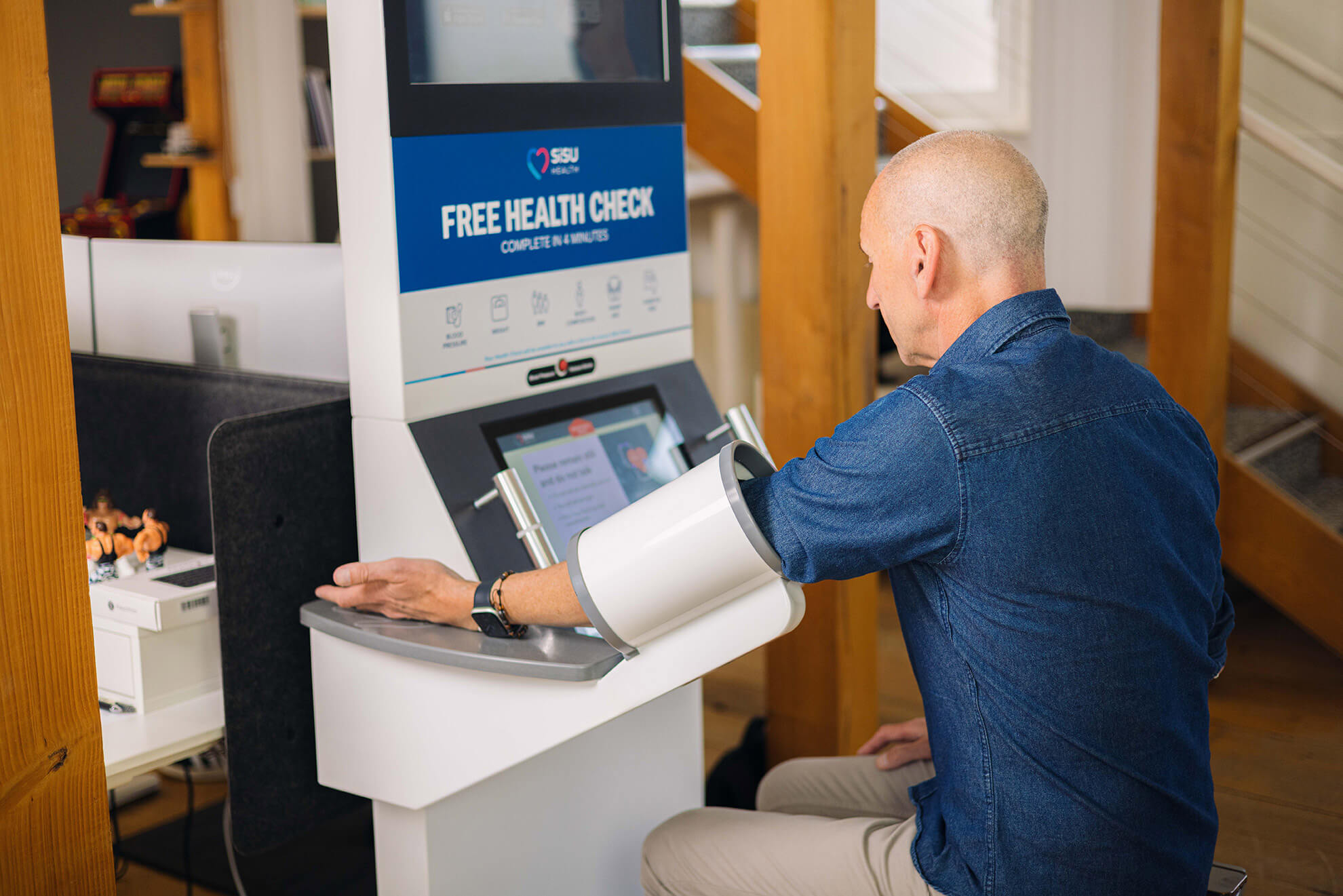
Through its ongoing programme of SISU Health Stations, the bank is bringing health checks into offices and smaller working hubs, extending access beyond the larger locations where wellbeing activity has often been concentrated. Employees can check their own health, while population-level reporting gives the team a view of how needs differ across locations while maintaining and prioritising colleague anonymity?
Those differences are already shaping support. Findings in Kilkenny informed a programme focused on movement, healthy eating and stopping smoking, while stress findings in Donegal helped Bank of Ireland review its existing mental health offering and explore new ways to bring training and support to its workforce.
Results to date also highlight gaps in routine health monitoring and health risks requiring further attention. Between 20 January 2025 and 25 August 2026, across 11 locations in Ireland:
- Nearly 2,000 health checks were completed by over 1,500 participants
- More than half reported no blood pressure check in the previous 12 months
- Over a quarter of all health checks triggered a GP call to action
The challenge – Understanding what had changed for a largely hybrid workforce
During the Covid pandemic, Bank of Ireland’s wellbeing approach encouraged colleagues to “power down and recharge,” with the lines between home and office work blurring – providing support spanning mental, physical, financial and social wellbeing. As working patterns evolved, the team wanted to understand whether that approach still addressed the needs of its workforce.
With around 80% of employees working on a hybrid basis, the picture was difficult to judge. But some colleagues said they felt better after spending time back in the office, which prompted questions about how much movement and social interaction they had been getting at home.
The bank had an established wellbeing offer, but no population-level health measurements to help identify where additional support might be needed.
We knew things were changing. We could hear from colleagues that they were feeling different about life, but we just weren’t sure where to focus our attention.
Frances Boyce, Senior Manager for Colleague Wellbeing within the Group Culture Team, Bank of Ireland
There was also a question of reach. Colleagues using smaller working hubs did not always have access to the larger wellbeing activities organised in the bank’s main offices. Understanding their needs meant creating opportunities to participate closer to where they worked.
The solution – Bringing checks beyond the main offices and insight back to the team
The opportunity to introduce SISU Health Stations came through Bank of Ireland’s relationship with health insurer VHI, initially supporting deployments in the Republic of Ireland. The bank subsequently established a direct relationship with SISU Health for its UK locations.
Locations were selected to balance participation with wider access. Larger offices and the Kilkenny contact centre offered busy settings, while smaller hubs brought checks closer to colleagues across the branch network. In Donegal, local colleagues requested a station after hearing about its use elsewhere.
Before each deployment, the team checked connectivity and identified positions that offered both visibility and privacy.
They know the space, they know the area, they know who can see, who can’t see.
Posters and internal communications encouraged colleagues to plan office visits while the stations were available. Around 300 wellbeing advocates were briefed to spread the word, including to employees visiting from other locations.
It’s not something that is onerous on employees. So you’re giving them something, they’re walking past it to go and get their lunch. They just sit in the machine, they get their report. Like it’s just so seamless. Why would you not offer it to colleagues?
Participation remained voluntary. The stations were placed where colleagues would notice them during the working day, with curiosity and word of mouth helping to generate interest.
Because there’s that fine line between strong arming people into facing key metrics around their health, that they possibly don’t want to know about, and gentle encouragement.
Employees received information about their own health, while reporting gave the wellbeing team a way to examine patterns across locations. The bank did not receive individual participants’ health information; its role was to use the population-level findings to plan relevant support.
The impact – Turning overlooked health needs into checks, advice and local support
Across the 1,938 health checks completed by 1,600 participants, the programme highlighted gaps in routine health monitoring and risks requiring further attention, with almost 300 colleagues being encouraged to engage with their local GP.
The blood pressure finding in particular has influenced activity beyond the Health Stations. When arranging CPR courses, the bank asked for blood pressure checks to be offered on selected days at those locations, creating another opportunity for colleagues to get checked.
The differences between locations have also proved particularly useful. Kilkenny’s contact centre challenged Frances’s expectations of a workforce she perceived as young and fit. Its BMI findings pointed towards needs she would not have anticipated from her familiarity with the team.
It just shows your perception of particular locations or job families or cultures in buildings is only that. It’s only a perception. It’s not necessarily reality at all.
Subsequently, a six-week programme in Kilkenny focused on movement, healthy eating and stopping smoking. Each group had expert guidance, followed by continued check-in calls over subsequent months.
Frances reported that most colleagues she’d spoken to who took part in the stop-smoking programme had remained off cigarettes.
Even if only one of the people stop smoking, it’s worth it.
Repeat checks are beginning to show changes in employee health
Alongside the feedback from local programmes, repeat Health Station checks are providing early evidence of changes among returning users. The report recorded:
- 33.3% of repeat users (176) saw a reduction in high blood pressure
- 9.5% (170 repeat users) saw a drop in high body fat
- 8.3% (233 repeat users) saw a drop in smoking
Continued access to the stations will allow colleagues to monitor their own progress and give the bank further insight into how health needs are changing over time.
Strategic value – Evidence to challenge priorities and make the case for new support
When Frances was asked to review the future direction of wellbeing at Bank of Ireland, the reports gave her a way to test her initial views. They helped distinguish areas requiring greater attention from those where colleagues appeared better supported.
I had an opinion, but I didn’t necessarily have any direction apart from my own vibes.
Findings around stress in Donegal provided one example. They surprised Frances and the head of the branch network for the west of Ireland, opening a conversation about colleagues taking part in a proposed one-day mental health pilot.
The evidence helped Frances explain why the pilot was worth pursuing and identify a relevant group to involve.
For me, it made it easy. I was able to go to my senior leader and say, ‘There’s a gap here. There is an area of people struggling. I want to see if this course helps them.’
The next stage is to give local teams a more direct role in interpreting and acting on their findings. For the planned November deployments in Bristol, London and Belfast, the bank intends to hold separate SISU Health insight sessions with local wellbeing advocates and engagement teams.
Each location will be able to discuss its own results and develop an action plan, with support from the central wellbeing team. This builds on the earlier approach of selecting particular locations for interventions and gives more teams the information to shape their own activity.
SISU Health’s guidance is also helping the bank plan which additional surveys to include in future checks and how to make the results useful.
Having the expertise from the team to say that’s not a good idea and this is what we see has worked better in other locations or this is best practice has been really beneficial.
As further checks generate new data, the bank will be able to revisit its priorities and assess changes among returning participants.
Frances would also like to extend the programme, balancing continued access for existing users with opportunities for colleagues who have yet to take part.
I’d like to do them more frequently or in more locations, but definitely at the moment we’ll be repeating what we’ve done this year for the foreseeable.
Where could better health insight change your wellbeing priorities?
Bank of Ireland’s experience shows how workplace health checks can inform decisions that affect colleagues well beyond the check itself – from the support offered at a contact centre to the evidence behind a proposed mental health pilot.
If you need a clearer picture of employee health to decide where your wellbeing resources can make the greatest difference, get in touch to discover how SISU Health could help.
Client Profile
Bank of Ireland
Bank of Ireland is one of Ireland's leading financial services groups, providing banking, lending, wealth management and insurance services to customers across Ireland, the UK and beyond. The organisation employs around 10,000 people and has a history spanning more than 240 years.
More employer success stories
Discover how employers are improving wellbeing engagement and health outcomes.



Turn workforce health insight into targeted wellbeing action
Discover how SISU Health helps organisations identify real employee needs and prioritise support where it can make the greatest impact.