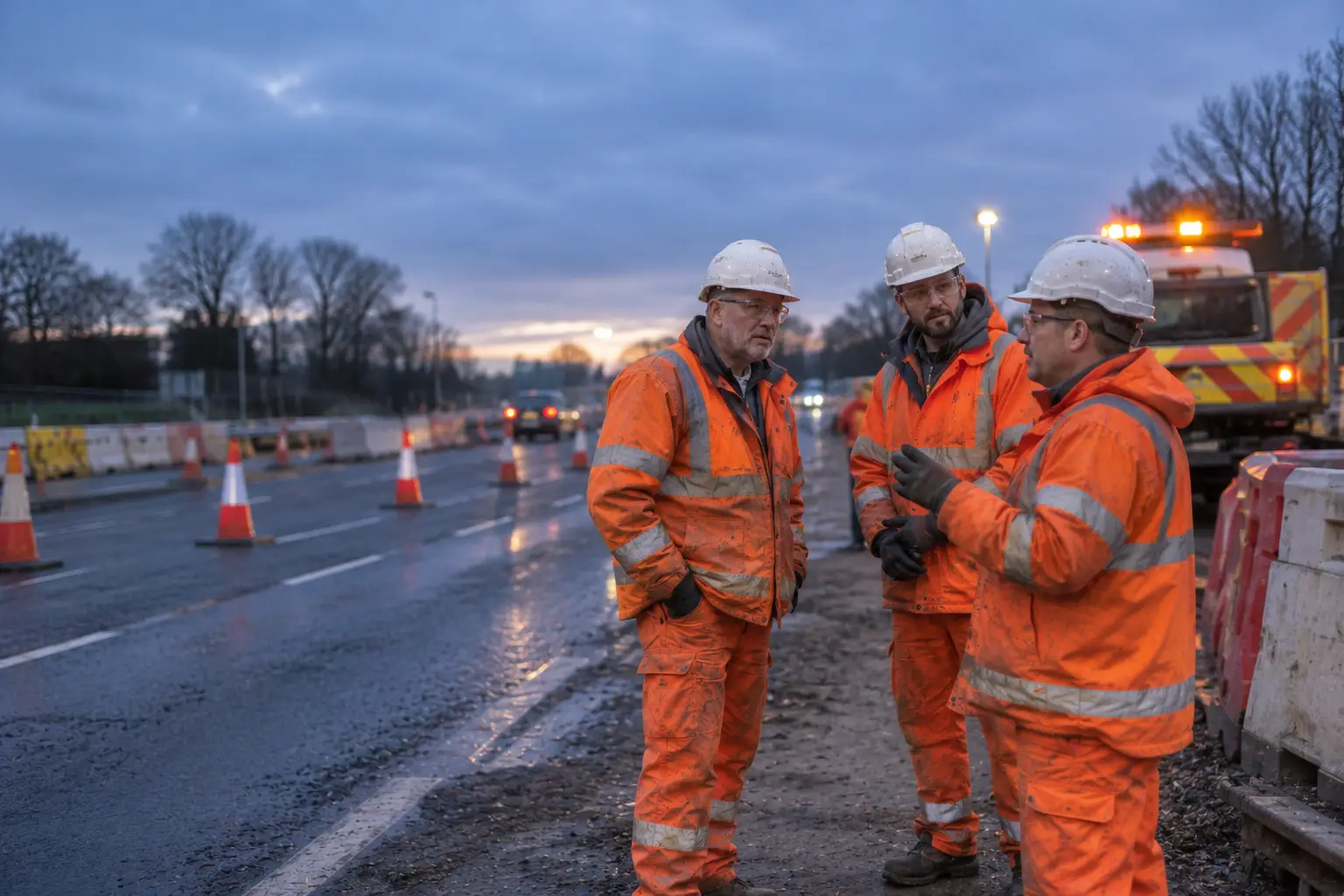
For Kier Group’s dispersed workforce, night shifts, remote locations and a tendency to keep working through symptoms can leave routine health checks overlooked. By moving SISU Health Stations between projects and smaller depots, with local advisers encouraging participation, Kier made checks easier to fit into the working day. The programme engaged 913 people and prompted GP recommendations in 26% of checks – showing the value of bringing prevention to workers who might otherwise put it off.
Kier’s transportation projects range from major construction sites to smaller depots and remote cabins. Making workplace health checks available across those settings meant planning beyond the main offices, including for colleagues who rarely use a laptop or see internal emails.
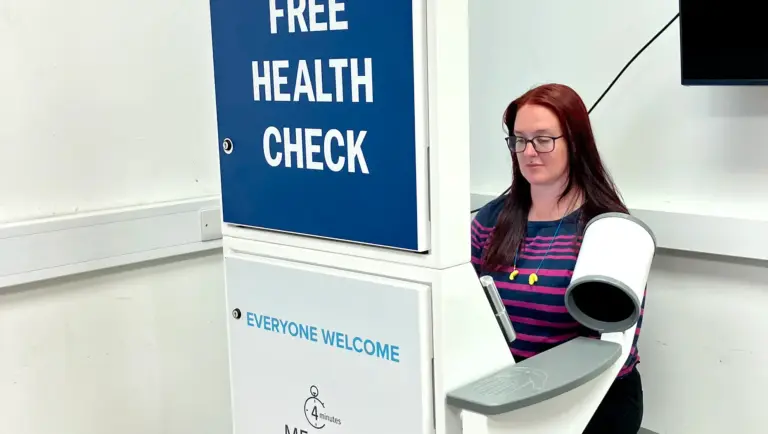
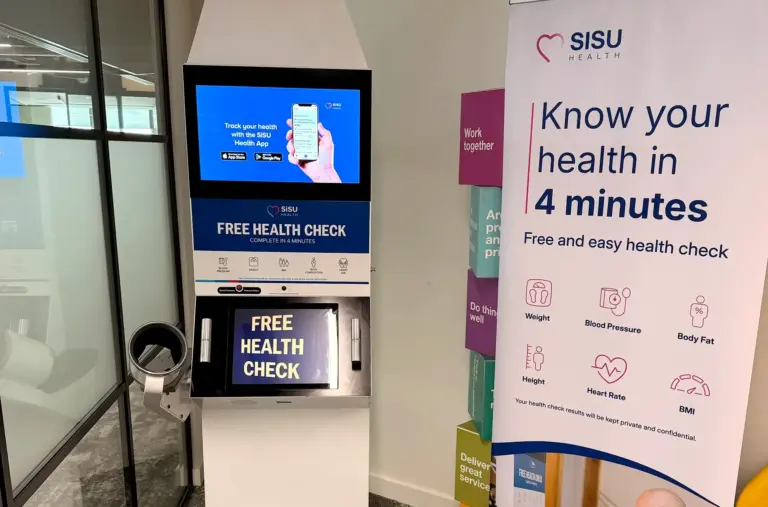
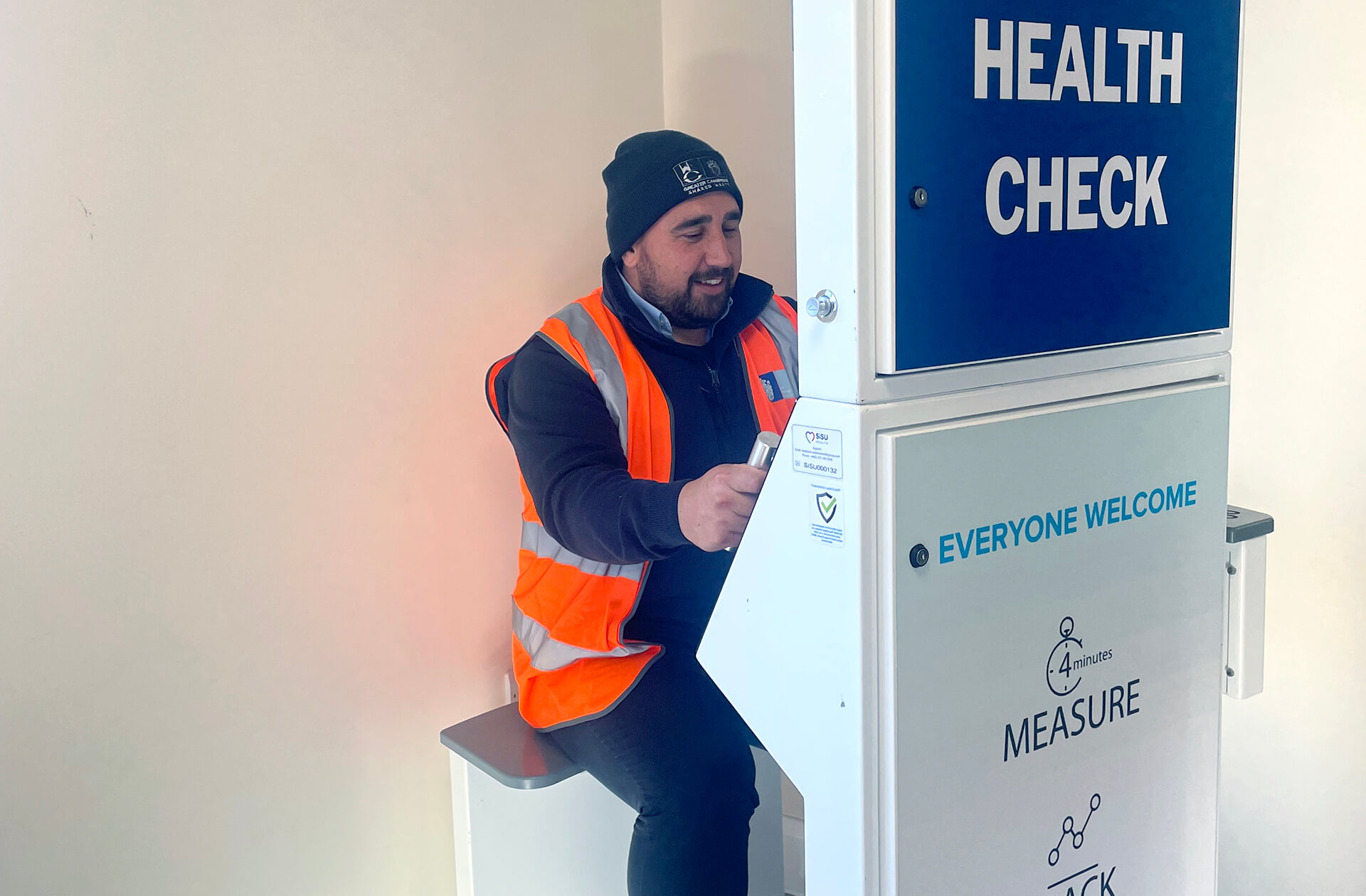
Portable SISU Minis moved between projects and outlying locations, with deployment lengths based on the number of people working at each site. Local safety, health and environment advisers explained the checks, addressed privacy concerns and encouraged colleagues to take a few minutes to participate.
The findings show why that access matters. Between 12 February and 17 September 2026:
- 1,096 health checks were completed by 913 participants
- 62.4% reported no blood pressure check in the previous 12 months
- 26% of health checks triggered a recommendation to consult a GP for high blood pressure or high BMI
The challenge – Reaching people working nights and miles from the main depot
Kier wanted to make routine health checks easier for workers who were unlikely to arrange them independently. As Toni Chamberlain, Health and Wellbeing Advisor at Kier Group, explains:
We have a lot of blue collar workers, older generation, who are very much, if I’m not dying, I will keep going.
For people working nights, contacting a GP during daytime hours could be challenging. A persistent headache might be something they worked through rather than a reason to make an appointment.
There was also a gap between offering wellbeing support and making it visible to everyone. Toni described colleagues working from a cabin 20 miles from the main depot, who were not regularly using laptops or checking work emails. Reaching them meant taking the opportunity to their place of work.
We wanted to make it so it was easy. It wasn’t something they had to go out of their way to do.
The solution – Giving smaller depots a place on the deployment schedule
Kier chose portable SISU Minis so checks could move between major projects, smaller depots and remote working locations. Deployments included the Manchester Airport project, Birmingham highways contracts and crusher compounds.
The stations also moved within projects. A Mini could spend the first part of a deployment in the main building before travelling to smaller depots, extending the opportunity to colleagues working away from the busiest location.
Toni planned the schedule using population counts from each site. A location with around 50 people might have a station for a week or two, while the A417 project, with closer to 800 people, received a longer deployment and had a return visit planned.
We have been to every project within transportation. So nobody’s been left out… And having the Minis has meant that we’ve been able to reach the people in both places.
Moving the Minis regularly also made the transport case an important practical consideration, which subsequently led SISU Health to introduce a lighter design.
I mentioned that it was a bit heavy, and now it’s far, far lighter.
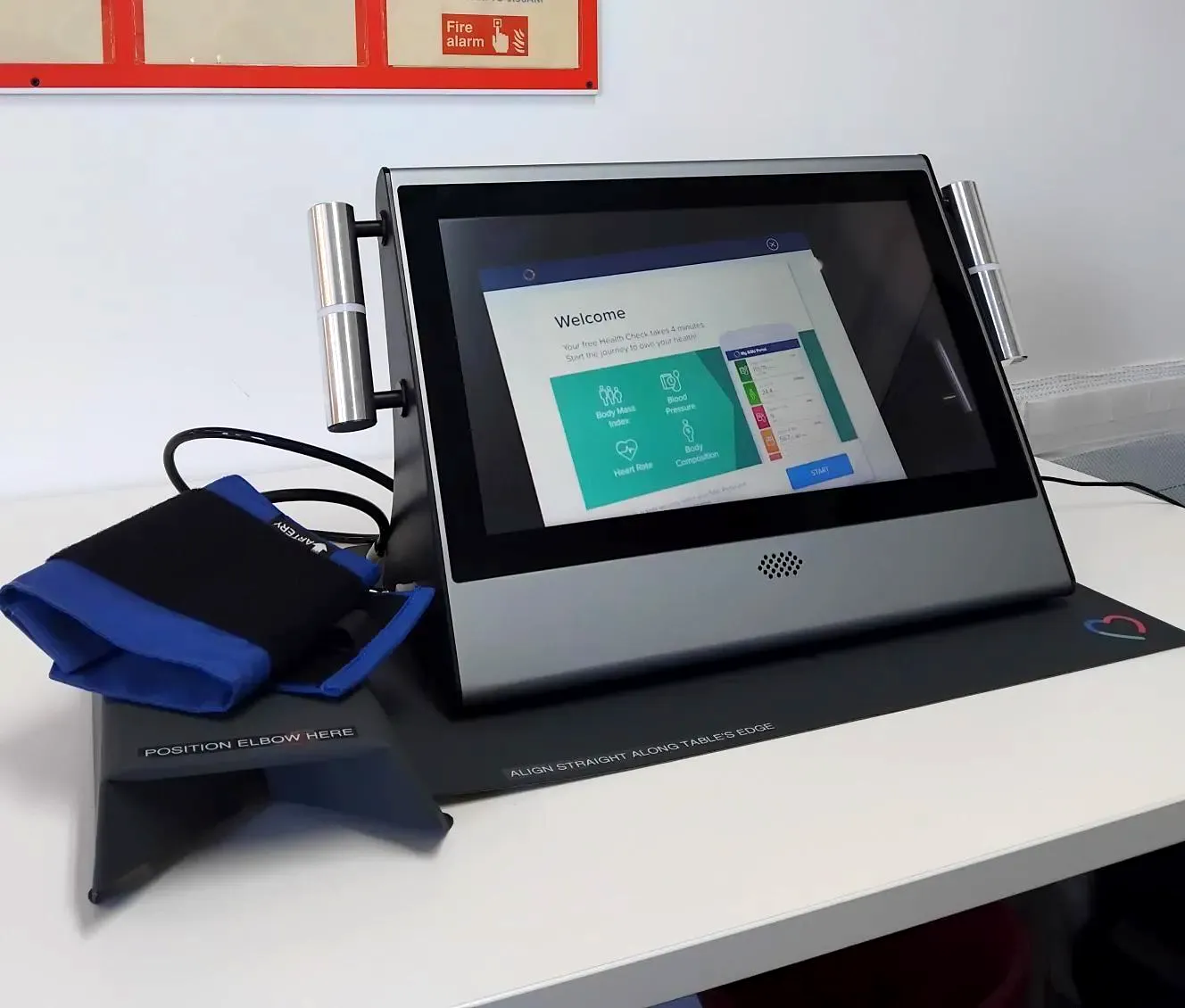
Local safety, health and environment (SHE) advisers managed the stations on site. Couriers or advisers moved them between projects, with advisers handling transport where access restrictions prevented courier entry.
SISU Health helped with planning and ongoing coordination. Sharing the schedule meant its team knew where the stations would be when servicing was needed, including when Toni was away.
Answering privacy questions before people sat down
Kier began explaining the checks before the stations arrived. Communications covered how to use the app and addressed concerns about who could see the results. Toolbox talks reinforced that Kier could not access individual health information.
When I say we drowned people in comms, I mean, we really did. It was digital signage, posters, articles, all sorts.
Stations were positioned where colleagues would notice them, with privacy considered alongside footfall. Local advisers explained what the checks involved and encouraged people to take a few minutes to participate.
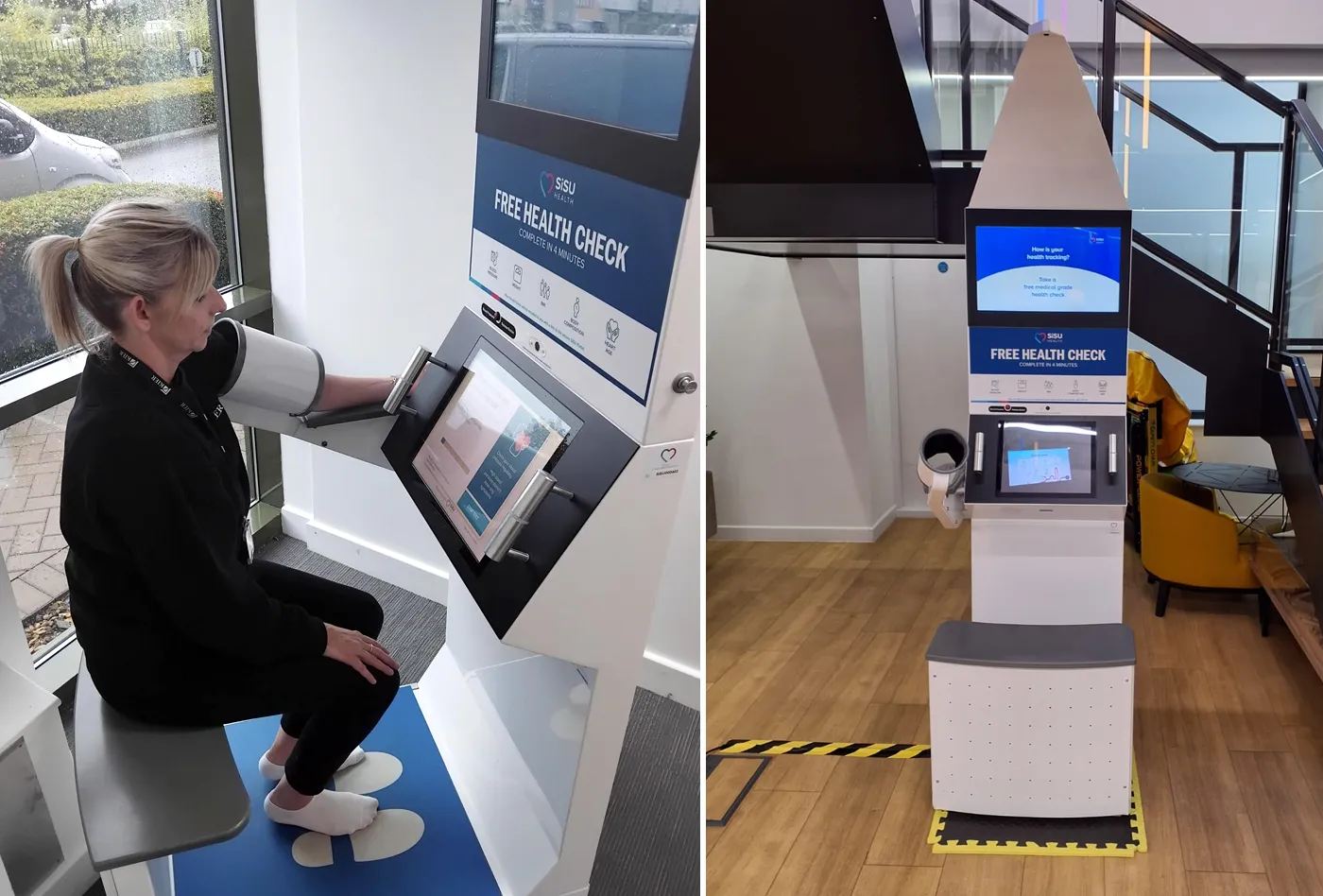
Participation remained voluntary. At one small site, where most colleagues were already receiving care from their GP and did not want a check, the station was moved to another project keen to use it. The flexibility allowed Kier to respond to demand while respecting individual choice.
Hear more from Toni
In our on-demand webinar, Toni shares Kier’s practical lessons from reaching operational workers across sites, depots and projects.
The impact – Engaging older manual workers and identifying risks needing follow-up
Men accounted for 77% of participants. Toni had expected some reluctance among older manual workers, including around using the technology:
People have really taken to it. And when you look at the results, it’s not just the younger generation. The older ones have as well, which is great.
The checks gave Kier a clearer picture of health needs among those taking part. Across the reporting period, the findings included:
- 21.3% with high blood pressure
- 72.1% overweight or obese
- 15.1% identifying as smokers
- 446 participants (49%) with at least one of three risk factors: high blood pressure, obesity or smoking
Some findings challenged expectations about a workforce doing physically demanding jobs.
The obesity one was quite shocking. They work very active jobs.
The gap in recent blood pressure monitoring also reinforced the value of offering checks at work. High blood pressure and high BMI findings generated 288 recommendations to consult a GP, giving participants a prompt to seek further assessment.
Connecting employees and supply-chain colleagues to the right support
The stations asked whether participants were direct Kier employees or supply-chain colleagues, allowing guidance to reflect the services available to each group.
For employees, this included Kier’s GP and employee assistance programme. Supply-chain colleagues were directed towards alternative support, including the Lighthouse charity for mental health needs.
The app kept guidance available after the check, so someone returning straight to work could revisit it later without searching separately through workplace systems.
So if they get told they need to go there, it’s on the app, it’s on the screen. They can do it right then and there.
At the time of the interview, Toni had also secured approval to offer a voluntary occupational health referral following a check, to explore whether additional support at work could help.
Strategic value – Asking each project to turn its findings into three actions
The same schedule that helped Kier move the stations also made the findings useful locally. By matching deployment dates to projects, Toni could examine their results without asking participants to navigate a long list of sites during the check.
Kier plans to give each project its report and ask for three actions to improve health on site over the following 12 months. The intention is to give local teams responsibility for responding to the needs identified among their participants.
The findings were also helping Kier consider what further assessments could be useful. Toni explained:
Do we need to bring diabetes checks in? Do we need to get someone to come in and do diabetes checks on everybody so that we can provide them results with that as well?
Alongside potential additional checks, Toni was considering how everyday site routines could support healthier choices.
We do stand downs and we give them all bacon butties. There’s certain things that maybe we can shift, in terms of how we do things, to encourage people to do it differently.
Adding MSK insight to inform the next stage
Musculoskeletal health was a priority for Kier. Its sickness data showed that MSK issues were the second-biggest reason for absence, and Toni had asked about including MSK in the checks when the programme was being established.
SISU Health subsequently introduced an MSK survey.
At the time of the interview, Kier had not yet received the MSK findings, but Toni was keen to understand what they would reveal about a health issue already prominent in the organisation’s absence data.
Giving personal health a place alongside site safety
For Kier, the programme also supported a wider ambition to make health more visible in working life. Safety was already a familiar priority; inviting people to pause their work for a health check gave personal wellbeing a practical place alongside it.
Toni felt that encouragement helped demonstrate that “we care about them as people, not just what they’re producing at the end of the day.”
Colleagues were discussing their results with one another, and participation extended from operational teams to senior leaders. Toni described health as becoming “part of an everyday conversation. Lots of people are talking about it.”
At the time of the interview, Kier was exploring whether to extend the programme across the wider group. Toni also wanted to bring it back within the division the following year, building on the engagement established through the first deployments.
How could you reach the workers beyond your main sites?
Kier’s experience shows how moving checks between projects, involving local advisers and addressing privacy concerns can make participation practical for workers spread across shifts and locations.
If your wellbeing activity struggles to reach smaller depots, remote sites or colleagues away from a desk, talk to us about bringing health checks and relevant support closer to their working day.

Client Profile
Kier Group
Kier Group is a UK infrastructure services, construction and property group. Its Transportation business delivers projects including highways contracts in Birmingham, the A417 and work at Manchester Airport, with teams spread across major construction sites, smaller depots and remote compounds.
More employer success stories
Discover how employers are improving wellbeing engagement and health outcomes.



Reach the people who can't make it to a GP
Find out how SISU Health can help you engage employees across sites and shifts, understand their health risks and connect them with the right support.