Southwark Council and SISU Health first partnered in 2021 to make health checks accessible and inclusive for residents who were not being reached through traditional routes. By placing self-service stations in everyday locations, the borough has now completed over 57,000 free health checks, helping residents understand their health and enabling earlier intervention where need is greatest.
The challenge – Widening access to care in a diverse borough
Southwark is one of London’s most diverse boroughs, with stark inequalities in health outcomes. Life expectancy can vary by more than a decade between neighbourhoods, driven largely by modifiable risks such as hypertension, obesity and smoking.
Traditional health checks weren’t reaching those affected, many of whom have limited access to GP appointments or face barriers to engaging with NHS prevention schemes.
We knew there were people in Southwark who weren’t being reached by traditional health checks – particularly men under 40, and residents in our most deprived areas. We wanted a model that worked for them, not just for the system.
Alice Fletcher-Etherington, Public Health Programme Manager, Southwark Council
The council needed a practical, inclusive solution that empowered residents to take ownership of their wellbeing, while generating population-level insights to guide prevention.
The solution – Accessible health checks in everyday settings
We wanted to give people that empowerment to take their own health check, understand their numbers, and make decisions to improve their outcomes – especially for those who don’t always go to their GP or can’t easily make appointments.
Denise McLeggan, Public Health Improvement Lead, NHS South East London and Southwark Council
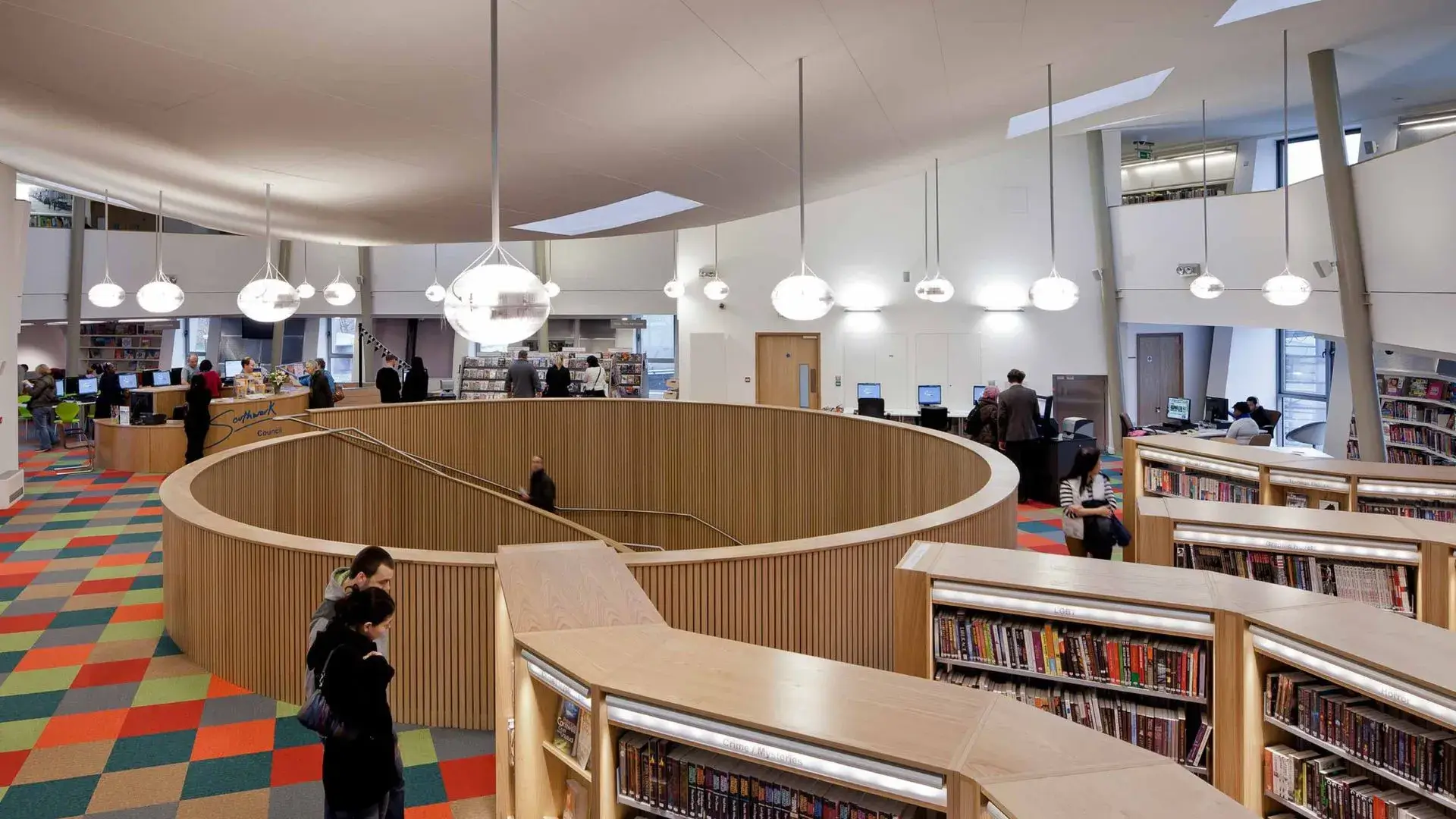
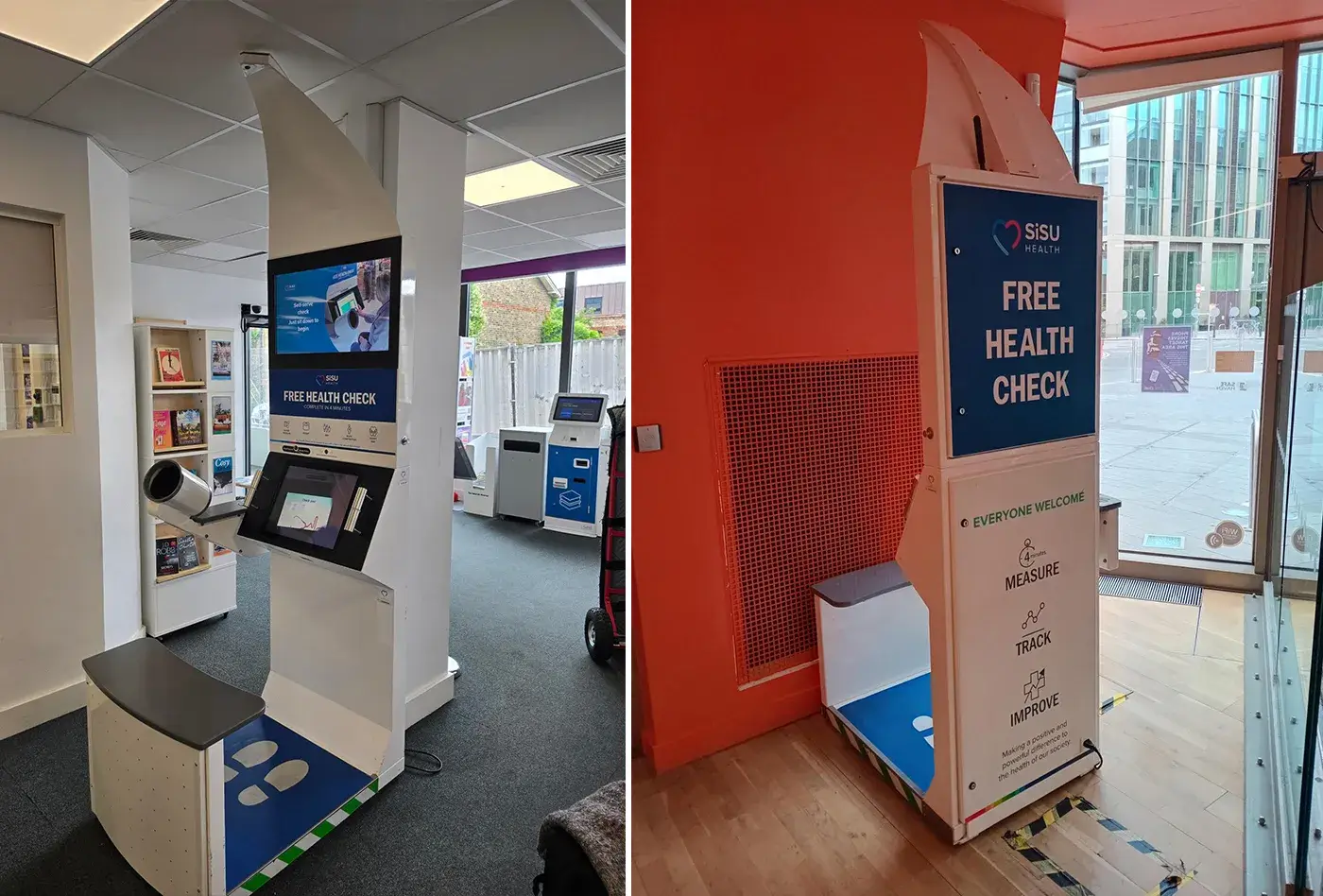
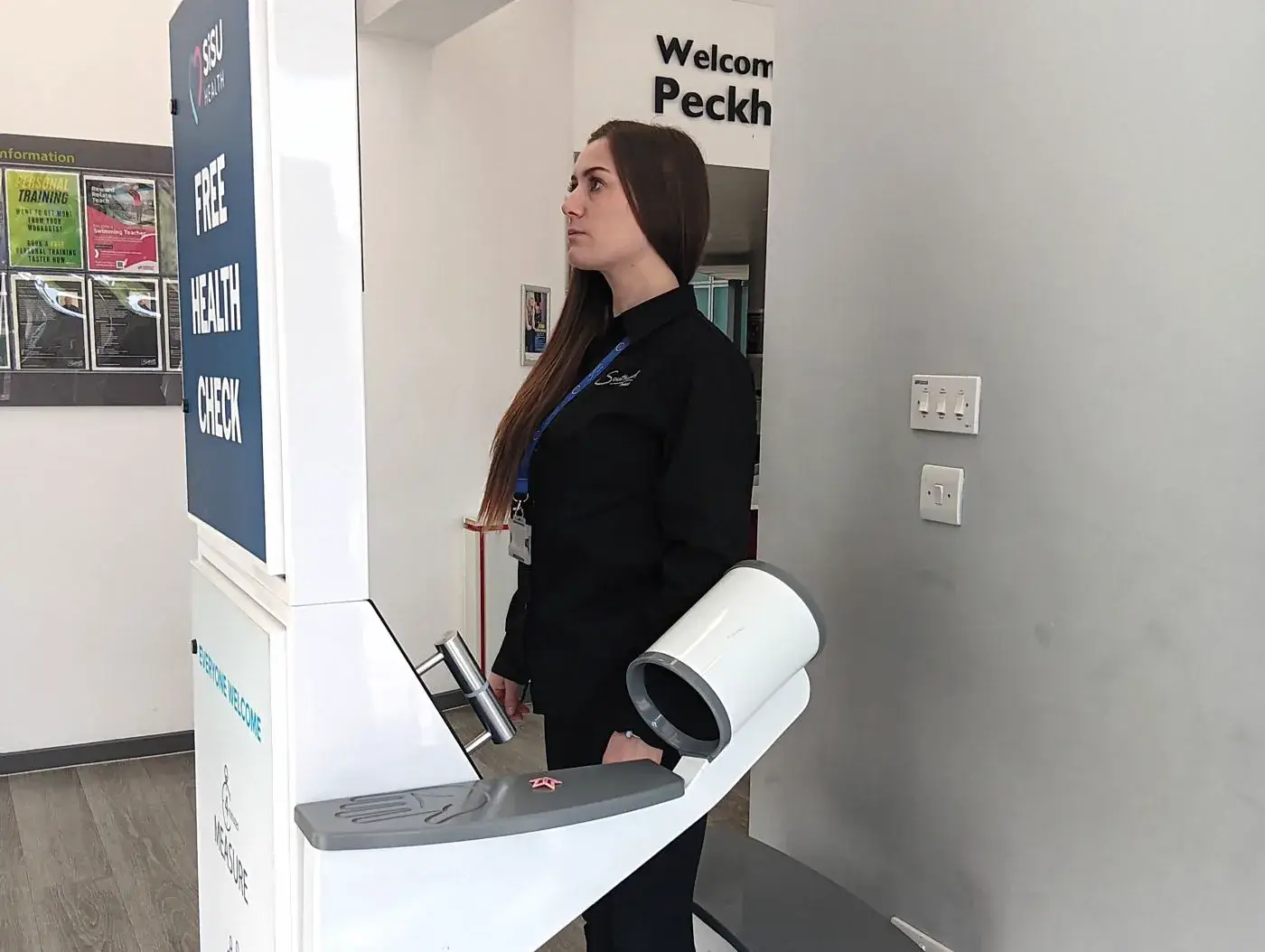
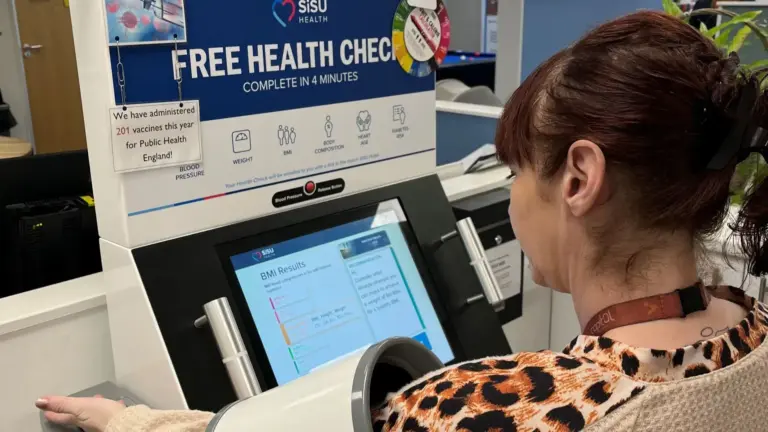
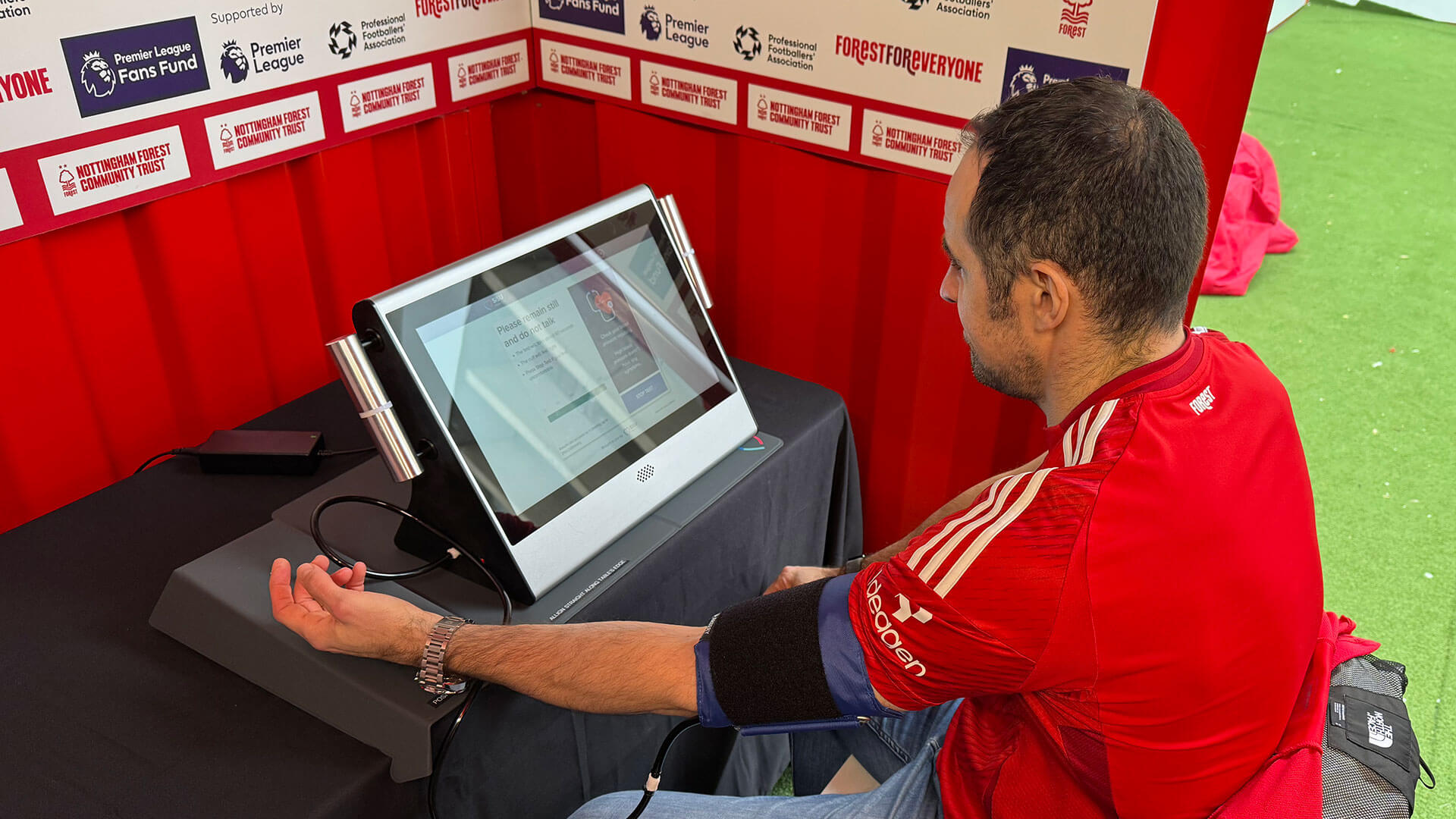
Southwark partnered with SISU Health to introduce self-service Health Stations across 17 public locations, including libraries, leisure centres and council buildings. The stations enable residents to complete a comprehensive five-minute health check without an appointment.
The approach provides instant results, personalised guidance, and direct signposting into local support services, including smoking cessation, exercise referral and wider wellbeing programmes. The model also complements the South East London ‘Vital 5’ programme, which targets hypertension, obesity, smoking, alcohol and mental health.
The kiosks make it easy for people to check their health in places they already visit – their library, local pool, or community centre… It’s simple, it’s private and it empowers people to take the next step.
Alice Fletcher-Etherington, Public Health Programme Manager
Results – Empowering residents and driving measurable change
Between July 2021 and May 2024, the programme delivered over 57,000 health checks for nearly 30,000 residents – with one in four returning for follow-up checks. The data shows strong reach among Southwark’s target groups, alongside measurable improvements in key health indicators.
Reach and inclusion
- 50% male users – successfully engaging a group underrepresented in NHS Health Checks
- 61% of users from Black, Asian, or minority ethnic backgrounds (vs. 45% of the local population)
- 28% of users from the most deprived neighbourhoods (vs. 21% of residents overall)
- Median user age: 36 – showing strong reach among working-age adults
- 14,900 users had not checked their blood pressure in the past year
- 96% of surveyed users said the kiosks were easy to use
- 71% would highly recommend them to others
Health improvements
People aren’t just coming once, they’re coming back. That tells us the kiosks are engaging, relevant and helping people track their progress.
Denise McLeggan, Public Health Improvement Lead
Analysis of repeat users showed significant progress in key risk factors:
- 18.8% reduction in high-risk blood pressure readings
- 9.3% of smokers reported quitting after using the kiosk
- 84% of users recommended lifestyle changes took positive action – from increasing activity to improving diet or quitting smoking
Users of the Southwark-based SISU Health Stations reflected:
It motivated me to live a healthier lifestyle – I started going to aerobics twice a week and joined a local walking group.
Much easier to step into than a GP or chemist – no appointment needed and instant results.
Across all users to date, more than 8,000 checks triggered GP call-to-actions for elevated BMI or high blood pressure, demonstrating how the kiosks serve as a bridge to local clinical care.
Strategic value – Supporting the system and reducing inequalities
The evaluation showed that the benefits go beyond individual health outcomes – the kiosks are supporting primary care capacity, equity and targeted prevention.
It’s freeing up GP time and relieving pressure on primary care, especially for residents managing hypertension. People can go to the kiosk for their blood pressure checks instead of booking an appointment – it’s a win-win for residents and for the system.
Denise McLeggan, Public Health Improvement Lead
Southwark’s Health Stations now form part of a borough-wide prevention network.
Anonymised data from SISU Health’s reporting platform shows who is engaging, which risks are most prevalent and where further outreach is needed. This insight informs targeted action and aligns the programme with local priorities, including the Vital 5 initiative.
A model for scalable, equitable prevention
Southwark’s experience shows how low-cost, self-service checks can complement NHS services, widen access to prevention and support long-term behaviour change, particularly in diverse, fast-moving urban populations.
For us, it’s about empowerment. Residents are taking initiative, checking their blood pressure, understanding their numbers – often for the first time. That’s the kind of shift that makes a real difference.
Alice Fletcher-Etherington, Public Health Programme Manager
SISU Health’s role – Powering self-service prevention at scale
SISU Health’s technology enables Southwark to:
- Provide accurate, self-service health checks without clinical staff
- Empower residents with instant results and personalised guidance
- Turn screening into action through local referral pathways
- Reduce GP appointments for routine monitoring of blood pressure
- Generate population-level insights to target support effectively
- Encourage long-term behaviour change through repeat tracking
Southwark’s experience shows how digital tools, community locations and behavioural insight can make prevention routine outside clinical settings – supporting residents, easing pressure on the NHS and enabling local action on inequalities.
Find out how SISU Health can help your organisation deliver accessible, data-driven prevention programmes.

Client Profile
Southwark Council
Southwark Council is the local authority for the London Borough of Southwark providing public services including health and social care across the borough.
More NHS & public health success stories
Discover how public health organisations are improving access to prevention and supporting better health outcomes.
View All Case Studies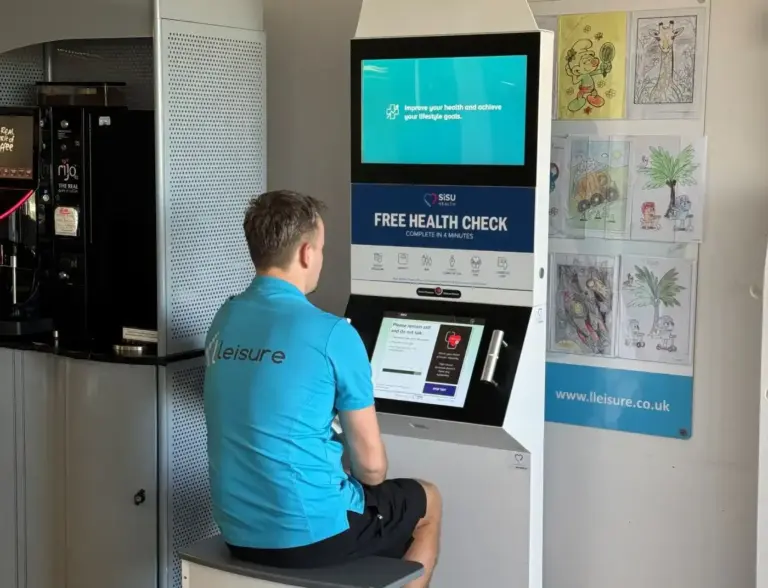



Transform prevention and early detection in your community
Work with us to deliver accessible, data-driven health solutions that reach underserved groups and support public health goals.